Why are Miami restaurants buying their buildings instead of leasing? Retail rents in neighborhoods like Coconut Grove now exceed $110 per square foot, so established operators such as Kush Hospitality's Matt Kuscher are purchasing property to control their location long-term rather than face rent increases of 50% or more at renewal.
Watch: Why Miami restaurants are buying their buildings
Miami's restaurant scene is booming. But for some of the local operators who helped build it, success has created an unexpected problem: they can no longer afford the neighborhoods they helped make desirable.
As retail rents have climbed across some of Miami's most popular neighborhoods, restaurateurs are beginning to rethink one of the most basic assumptions of the restaurant business.
Instead of leasing their next location, some are buying it.
It's a shift that says as much about Miami real estate as it does about Miami restaurants.
Why are so many Miami restaurants closing in 2026?
Opening a restaurant has always been expensive.
Operators have to account for labor, food costs, insurance, equipment and the significant cost of converting raw commercial space into a functioning restaurant.
But in Miami, real estate has become an increasingly important part of that equation.
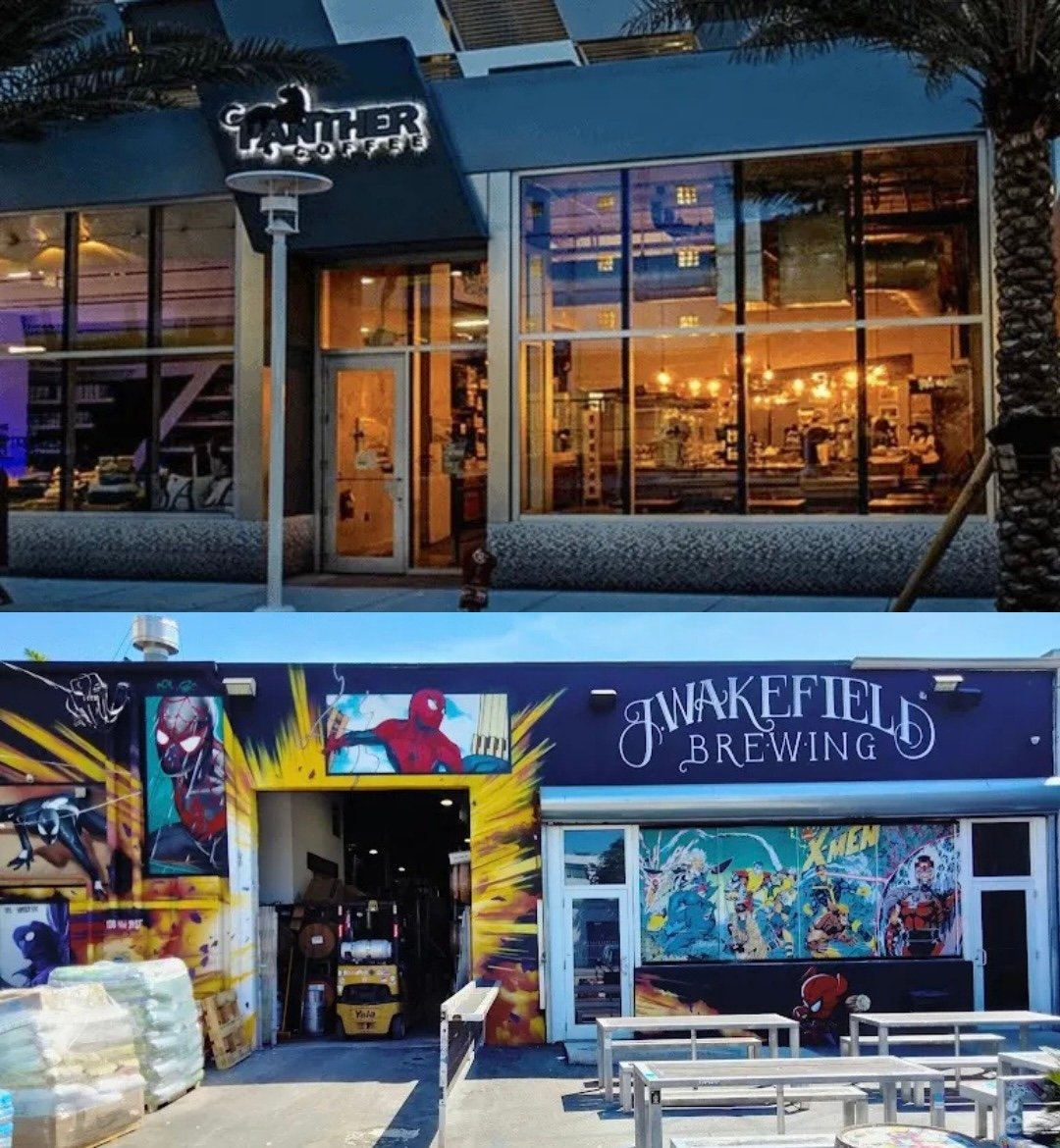
Axios Miami recently highlighted several local restaurant closures where rising rents played a role, including J. Wakefield Brewing in Wynwood and Panther Coffee's former Sunset Harbour location.
Coconut Grove's LoKal is another example.
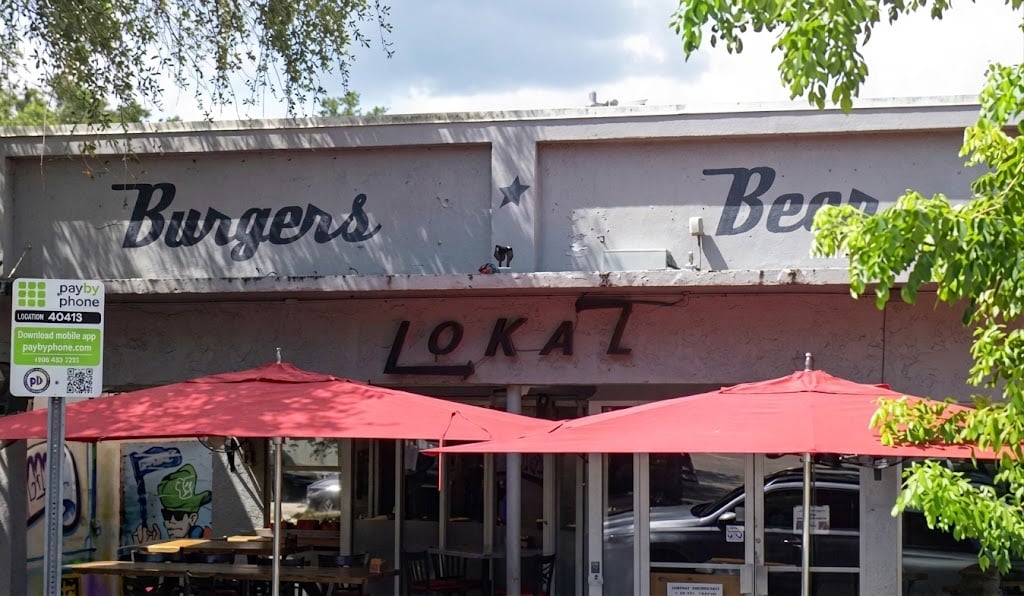
Matt Kuscher opened LoKal in the Grove in 2011 and operated there for more than a decade. Kuscher later said the rent was being increased by approximately 50 percent.
The restaurant eventually closed.
The irony is difficult to miss: many independent operators helped turn Miami neighborhoods into destinations. As those neighborhoods became more desirable, the real estate became more valuable — and the businesses that helped create that demand sometimes found themselves priced out.
How much is retail rent in Coconut Grove?
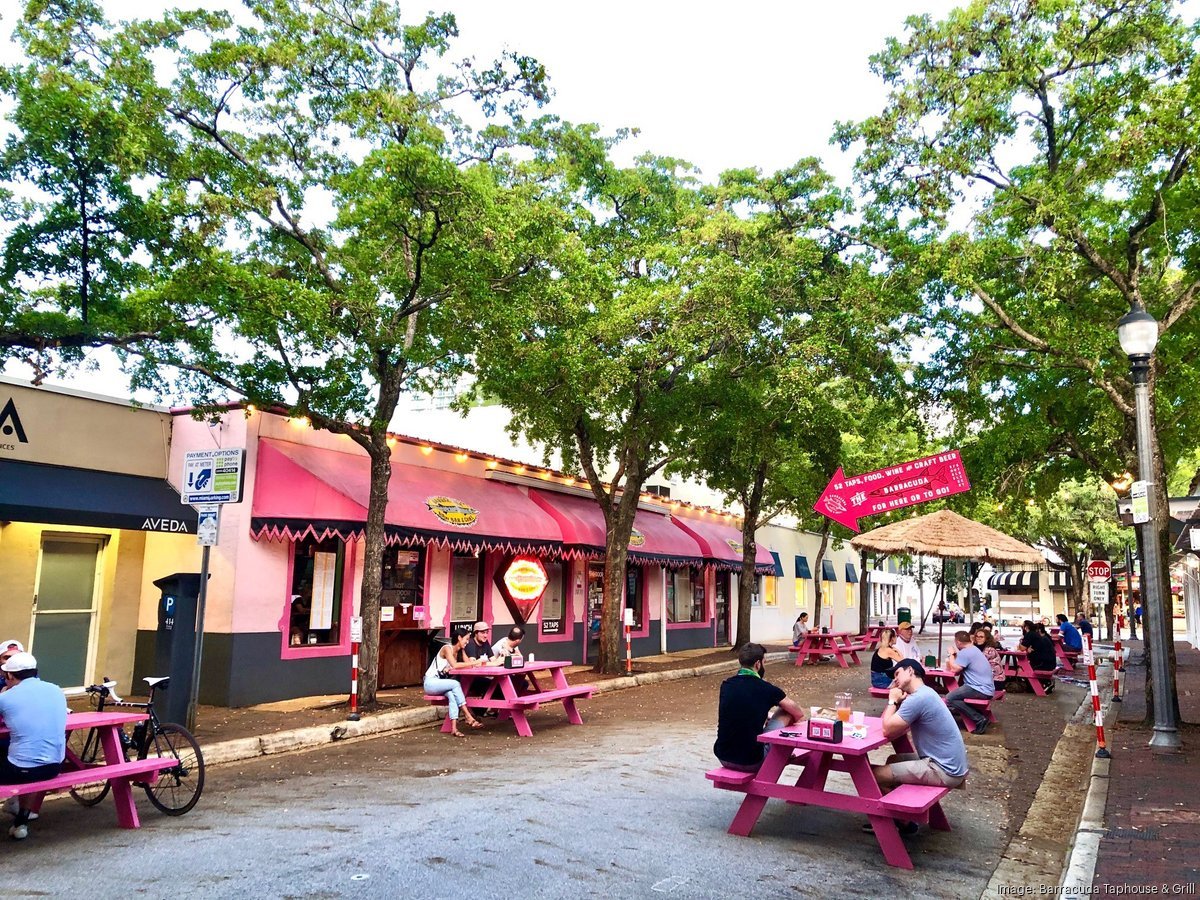
Few neighborhoods illustrate the shift better than Coconut Grove.
The Grove has experienced an extraordinary transformation over the last decade. New residential development, offices, restaurants and major investment have helped turn it into one of Miami's most sought-after neighborhoods.
Retail rents followed.
According to The Real Deal, citing Colliers data, average direct asking retail rents in Coconut Grove exceeded $110 per square foot during the second quarter of 2026 — roughly double what they were a decade ago, and among the highest in Miami-Dade County.
At Mayfair in the Grove, Carbone Vino reportedly signed a roughly 10,000-square-foot lease with base rent above $100 per square foot, plus revenue sharing — putting its annual base rent at at least $1 million, per The Real Deal.
Another nearby retail property reportedly went from roughly $50 per square foot five years ago to approximately three times that amount.
For large restaurant groups with multiple locations and substantial financial backing, those numbers may work.
For a local independent operator, they can completely change the business.
And the Grove isn't alone. The same conversation is happening a few minutes west on Miracle Mile and Giralda Avenue in Coral Gables, where independent operators are weighing the same lease math against the same rising numbers.
Matt Kuscher chose a different model
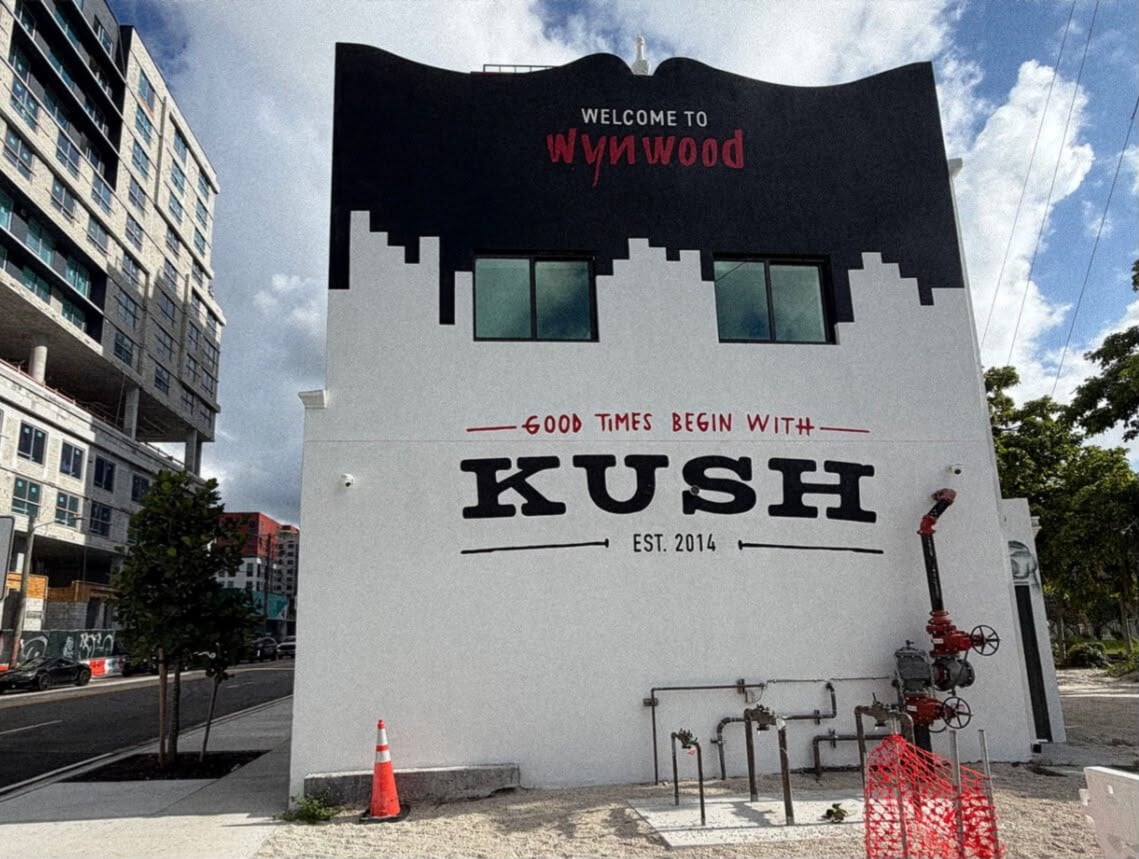
Kuscher's response to the changing economics of restaurant real estate is especially interesting.
Instead of simply finding another leased restaurant space, he bought property.
In 2022, Kuscher acquired a roughly 7,500-square-foot building at 2003 North Miami Avenue in Wynwood for $2.6 million, according to property records reported by The Real Deal.
When I spoke with Matt on the My Block podcast recently, he explained the thinking behind the decision:
"I slowly started getting rid of all of my concepts to get me to the point where I was able to buy our Wynwood property. And now, I'm going to be there fifty plus years instead of fifteen year lease that goes by in a blink." — Matt Kuscher, Founder, Kush Hospitality Group
That distinction — 50 years versus a 15-year lease — may be the most important part of this entire story.
The property gives Kuscher something a successful restaurant operating under a traditional lease never completely has: control over the location.
His plans go beyond the restaurant itself. The project also incorporates workforce micro-units intended to provide housing for hospitality workers, as Miami New Times reported earlier this year.
It is effectively a small mixed-use development built around a restaurant operator's understanding of Miami.
Other Miami restaurateurs are buying too
Kuscher isn't alone.
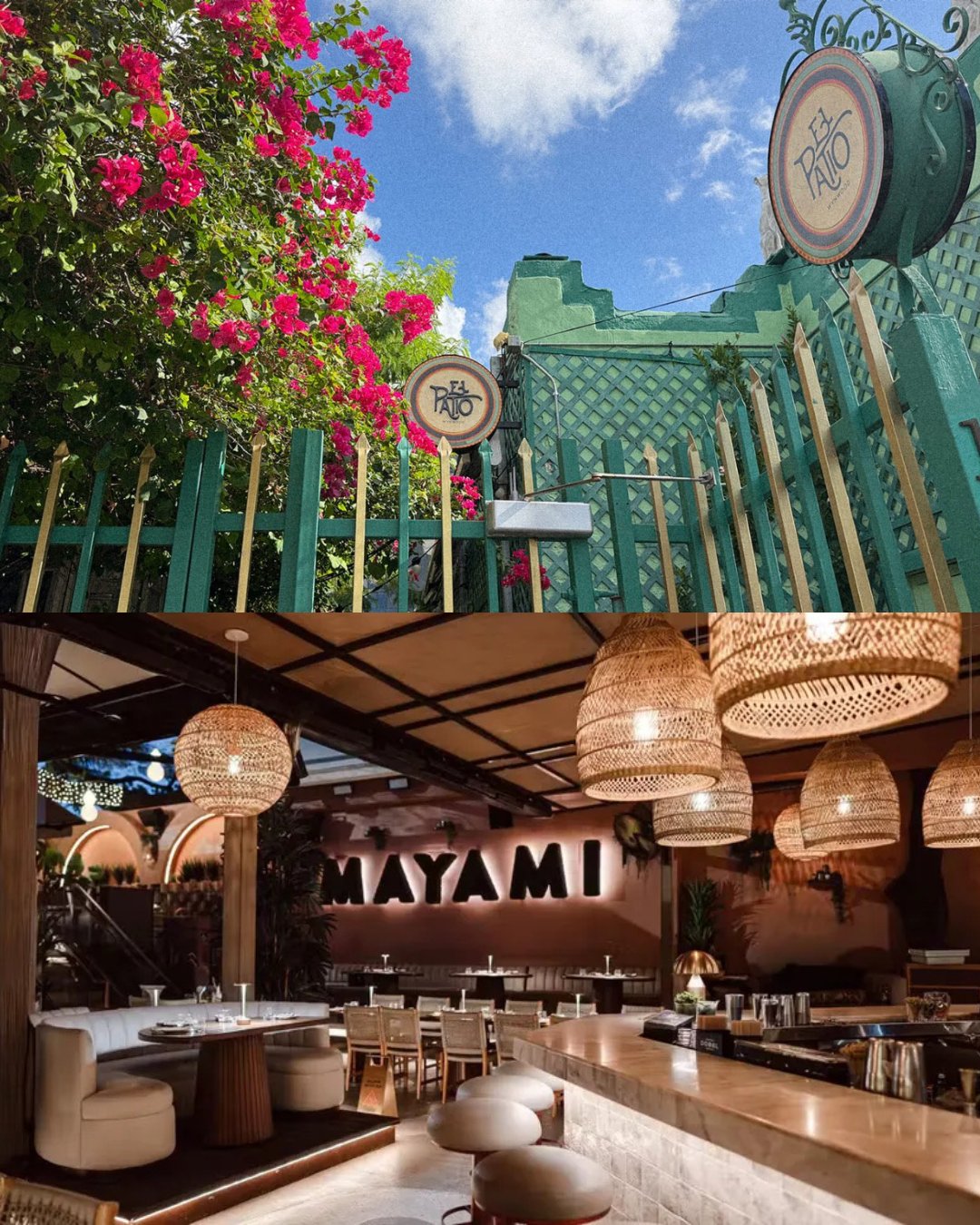
The operators associated with Wynwood restaurants El Patio and Mayami have also purchased the properties associated with their businesses, according to recent reporting.
Another strategy is beginning to emerge as well: restaurateurs partnering with real estate investors to acquire property together.
The idea is relatively simple.
A restaurant operator understands hospitality.
A real estate investor understands property and capital.
Together, they can create a structure where the restaurant isn't entirely exposed to what the rental market might look like ten years from now.
Should a Miami restaurant buy or lease its space?
That doesn't mean every Miami restaurant should buy its building.
Commercial property requires significant capital. Financing, property taxes, maintenance and opportunity cost all have to be considered.
But for an established operator with a long-term commitment to a location, the calculation may look increasingly attractive — especially in neighborhoods like Coconut Grove, Wynwood and Coral Gables where the rent trajectory is well established.
The businesses that create a neighborhood can become victims of its success
There is a broader neighborhood story underneath all of this.
Successful neighborhoods often follow a familiar pattern.
Independent businesses and entrepreneurs take risks early.
They create restaurants, shops and gathering places.
Those businesses give the neighborhood identity.
More people want to visit.
More people want to live there.
Investment follows.
Property values and rents increase.
Eventually, the very success those businesses helped create can make it difficult for them to remain.
Miami isn't unique in experiencing this cycle.
What's notable is the speed at which it can happen here.
Coconut Grove's evolution from a quirky, locally driven village into one of Miami's premier residential and dining destinations is a perfect example. This is the oldest continuously inhabited neighborhood in Miami — the Peacock Inn opened here in 1882, before Miami was a city — and every generation since has had its own version of "the Grove is changing."
Growth isn't inherently negative. New investment has brought incredible restaurants, improved buildings and more economic activity to the Grove.
But the best neighborhoods usually aren't composed entirely of either local businesses or national brands.
They're a mixture.
Preserving that mixture becomes harder as the price of admission rises.
What do restaurant rents mean for Coconut Grove homeowners?
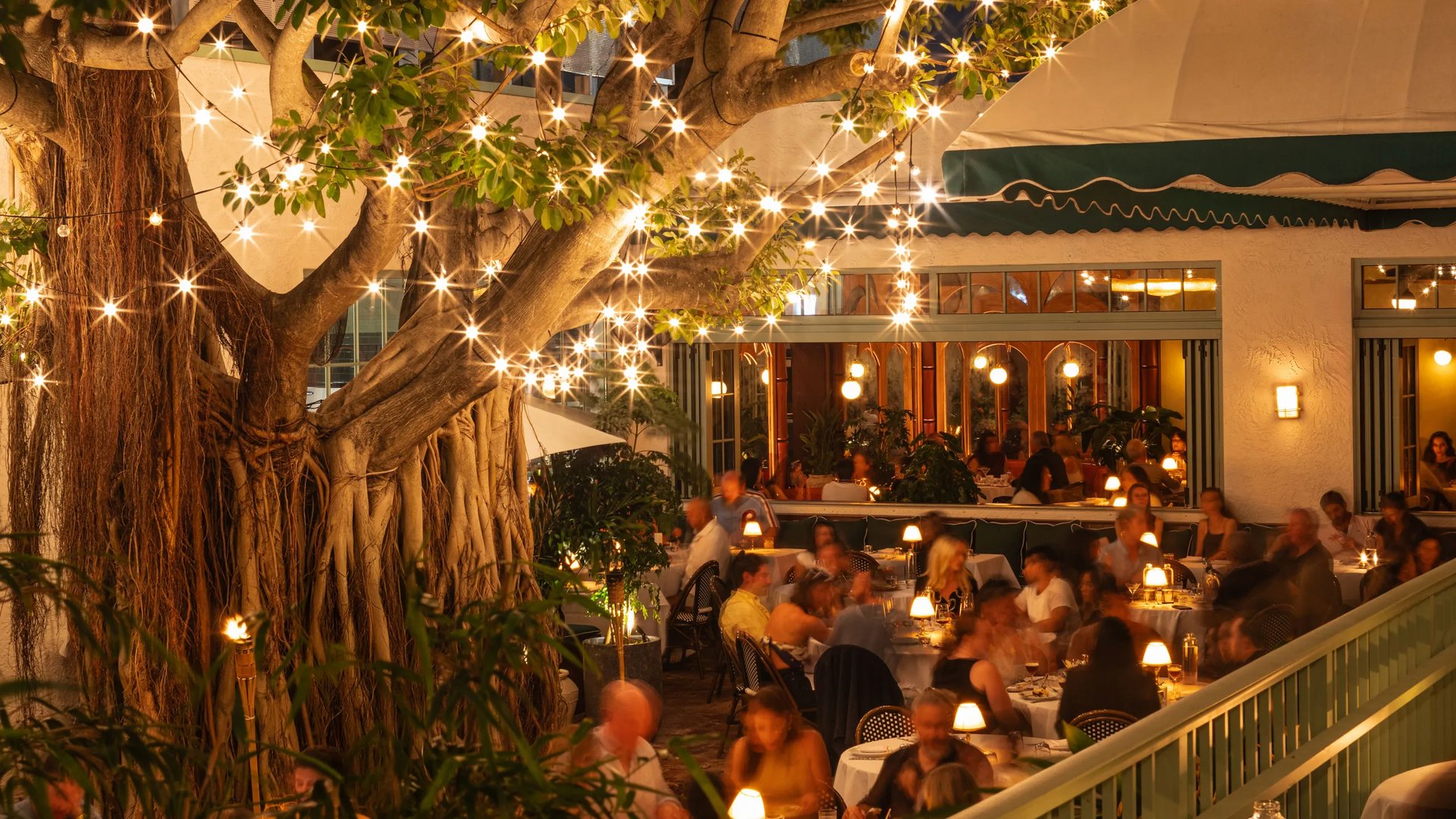
This story also matters if you've never considered buying commercial property.
When people choose where to live, they aren't choosing only a house.
They're choosing a neighborhood.
The coffee shop down the street matters.
The restaurant you can walk to matters.
The local businesses matter.
And those amenities become part of the demand for residential real estate.
That's why I pay attention to commercial activity even though much of my work involves homes in Coconut Grove, Coral Gables and the Sunrise Harbour pocket where the two meet.
Restaurant openings and closings, new retail leases, land purchases and redevelopment can provide clues about where a neighborhood is heading.
There are two honest ways to read what's happening on Grand Avenue and Commodore Plaza right now.
When the operators who serve a neighborhood every day go from renters to owners, that's one of the strongest votes of confidence a block can get. They're betting decades on the Grove. Your home sits inside that same bet.
At the same time, rents doubling in ten years means the neighborhood's character is being repriced. The Grove you bought into and the Grove you'd sell out of are not the same place.
Both are true. And for a homeowner, the intersection of those two truths — a neighborhood becoming more of what buyers want and less of what you want — is often where the timing question answers itself.
Sometimes the most interesting real estate story isn't the house that sold.
It's what's happening three blocks away.
Real estate is ultimately about controlling location
The restaurant industry's growing interest in property ownership is a reminder of one of the simplest principles in real estate:
Location has value.
For years, a restaurant can invest money, creativity and reputation into making one address synonymous with its brand.
If it leases that address, however, the underlying real estate still belongs to somebody else.
Buying changes the relationship.
The operator isn't simply investing in a restaurant anymore.
They're investing in the neighborhood itself.
And in a city changing as quickly as Miami, that may prove to be one of the most valuable ingredients of all.
Frequently asked questions
Why are so many Miami restaurants closing in 2026?
Rising rent is the most commonly cited factor. In Coconut Grove, average asking retail rents exceeded $110 per square foot in Q2 2026 according to Colliers data reported by The Real Deal — roughly double a decade ago. Slower summer traffic and a saturated dining market add pressure, and the result tends to favor well-capitalized restaurant groups over independent operators.
How much is retail rent in Coconut Grove?
Average direct asking rents in Coconut Grove topped $110 per square foot in the second quarter of 2026, making it one of the most expensive retail submarkets in Miami-Dade County. Some new leases at Mayfair in the Grove reportedly carry base rents above $100 per square foot plus revenue sharing.
Should a restaurant buy or lease its space in Miami?
It depends on capital and commitment. Buying requires a significant down payment and carries property taxes, maintenance and financing costs, but it removes the risk of a rent increase at renewal and lets the operator keep the value their build-out adds to the property. Established operators with a long-term commitment to one location, like Kush Hospitality in Wynwood, are increasingly finding the math favors ownership. Some are also partnering with investors to buy jointly.
Do restaurant closures affect home values in Coconut Grove?
Not directly, but they're a leading indicator. Walkable restaurants and independent businesses are part of what drives residential demand in the Grove. When local operators buy their buildings rather than lease, it signals long-term confidence in the neighborhood — while rapid rent growth signals the neighborhood is being repriced. Both are worth watching if you own here.
Thinking about buying, selling or investing in Coconut Grove, Coral Gables or Sunrise Harbour?
Understanding a property also means understanding what's happening around it. At My Block, that's exactly what we pay attention to — the real estate, businesses, development and culture shaping Miami block by block.
If you own in the Grove or the Gables and want to know what the commercial rents on your nearest corridor are actually doing, send me your street name and I'll pull the data.
Guillermo Freixas
President, My Block Group — Real Estate Advisor SERHANT.
Coconut Grove · Coral Gables · Sunrise Harbour: Where the Gables meets the Grove
Sources: The Real Deal, Aug. 26, 2026 · Axios Miami, Sept. 8, 2026 · Miami New Times, Apr. 14, 2026