What did Miami voters just decide about Marine Stadium? On August 18th, Miami voters approved a referendum allowing the city to enter a long-term management agreement with Global Spectrum to restore the historic Miami Marine Stadium, with up to $10 million going toward the project while the city keeps ownership.
I want to start somewhere other than the vote, though.
Because whether you already live here, you’re investing here, or you’re just starting to think about calling Miami home, there’s a piece of local history worth knowing — and it says a lot about how this city decides what’s worth keeping.
The Stadium Miami Almost Forgot
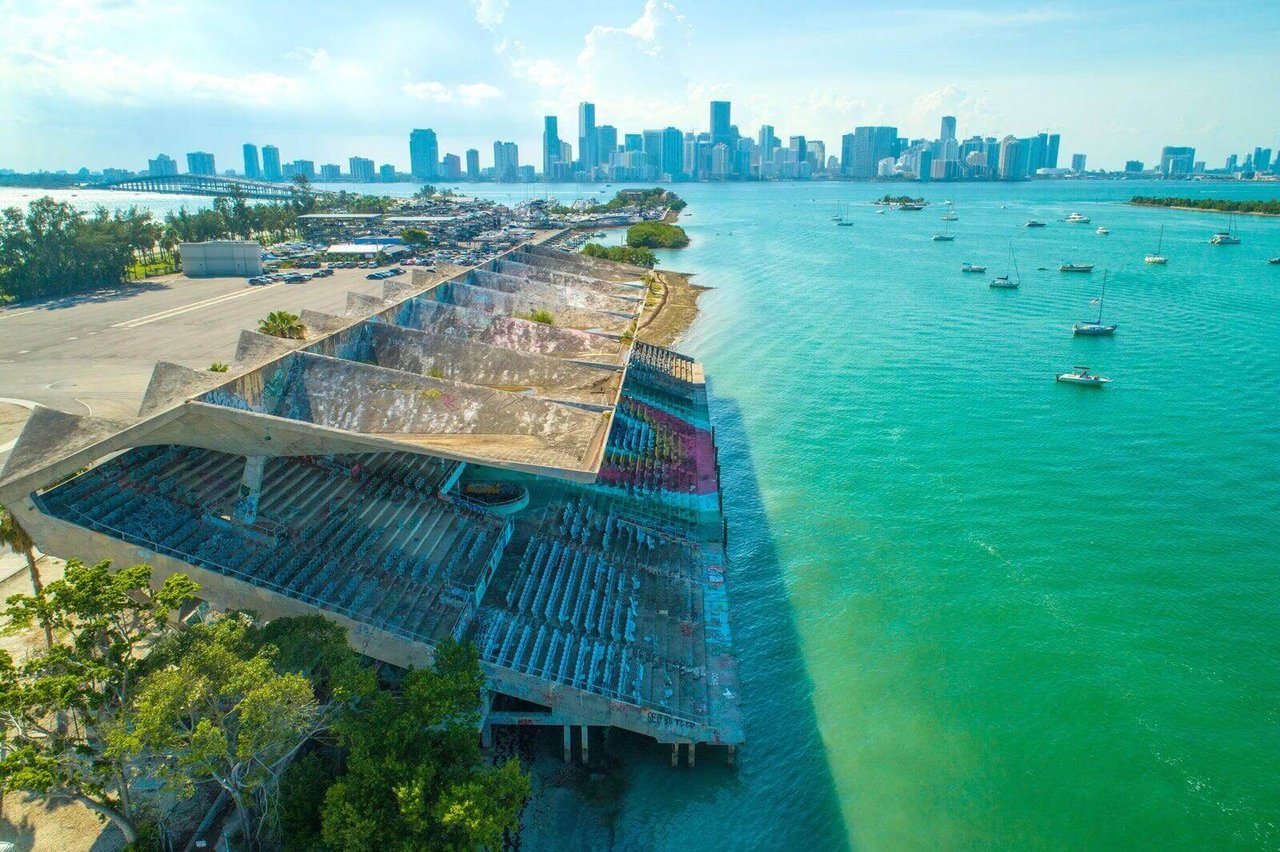
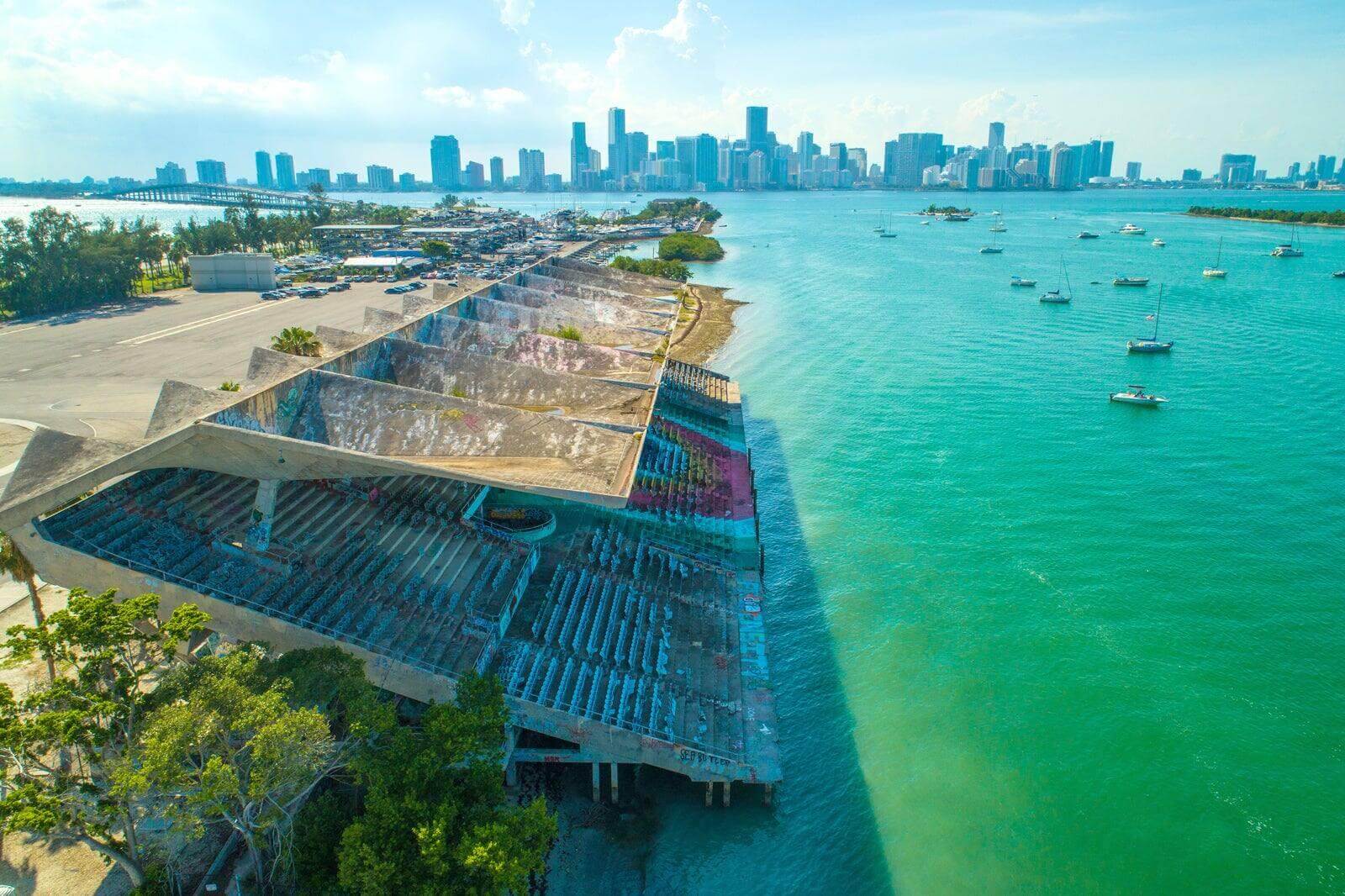
Miami Marine Stadium is a 6,566-seat open-water stadium on Virginia Key that opened in 1963. It was designed by Cuban-born architect Hilario Candela, who was only in his late twenties at the time. It cost $2 million to build then — the equivalent of more than $20 million today.
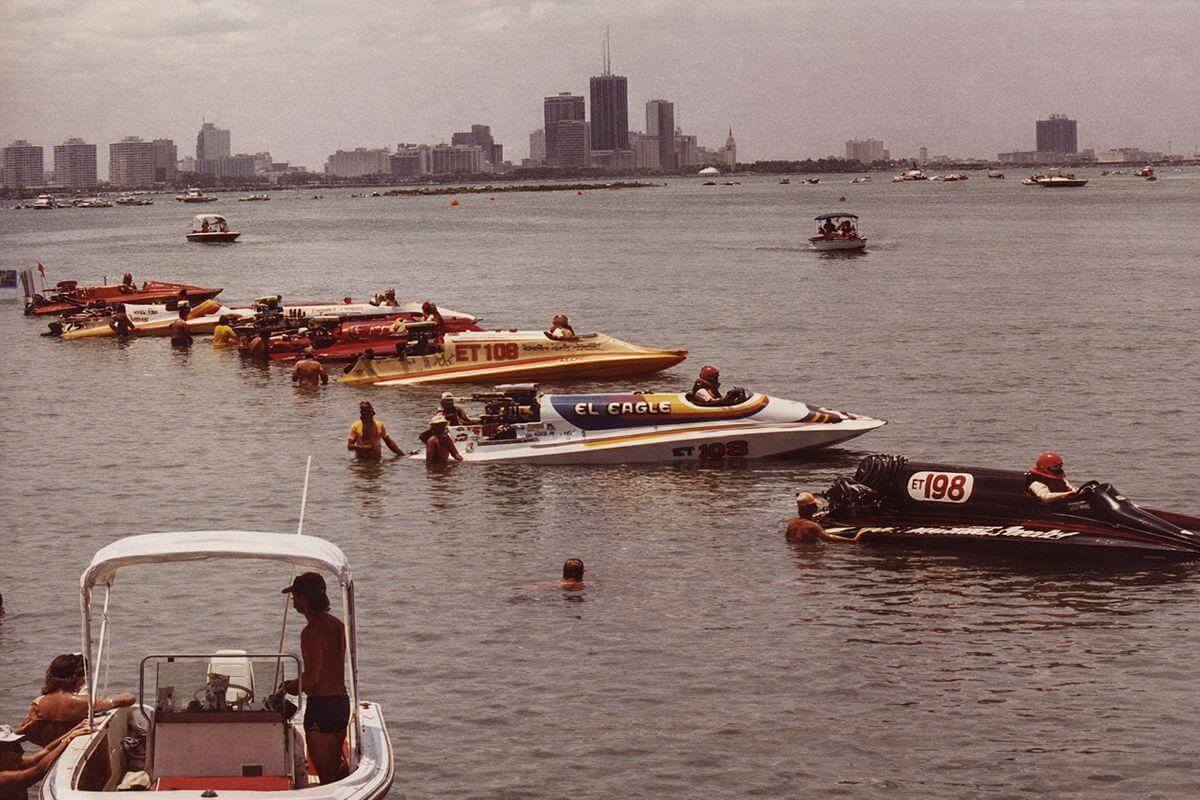
It wasn’t built like other venues. Biscayne Bay was the playing field. Boats filled the basin. The massive folded-concrete roof cantilevered out toward the water, and when it went up, it was considered the longest span of cantilevered concrete anywhere in the world.
The National Trust for Historic Preservation has called it a masterwork of civic architecture — a building whose relationship to the water made it genuinely one of a kind, not just in Miami but in the country.
That’s the part worth sitting with. This wasn’t a design that could have landed in Dallas, or Chicago, or Los Angeles and worked just as well. It was built for this exact piece of waterfront, in this exact climate, for this exact city.
Elvis performed there. So did The Who, Ray Charles, and Jimmy Buffett — who famously jumped off the stage into the bay during a 1985 show while fans on boats watched from the water. For decades, it wasn’t an architectural footnote. It was where things happened.
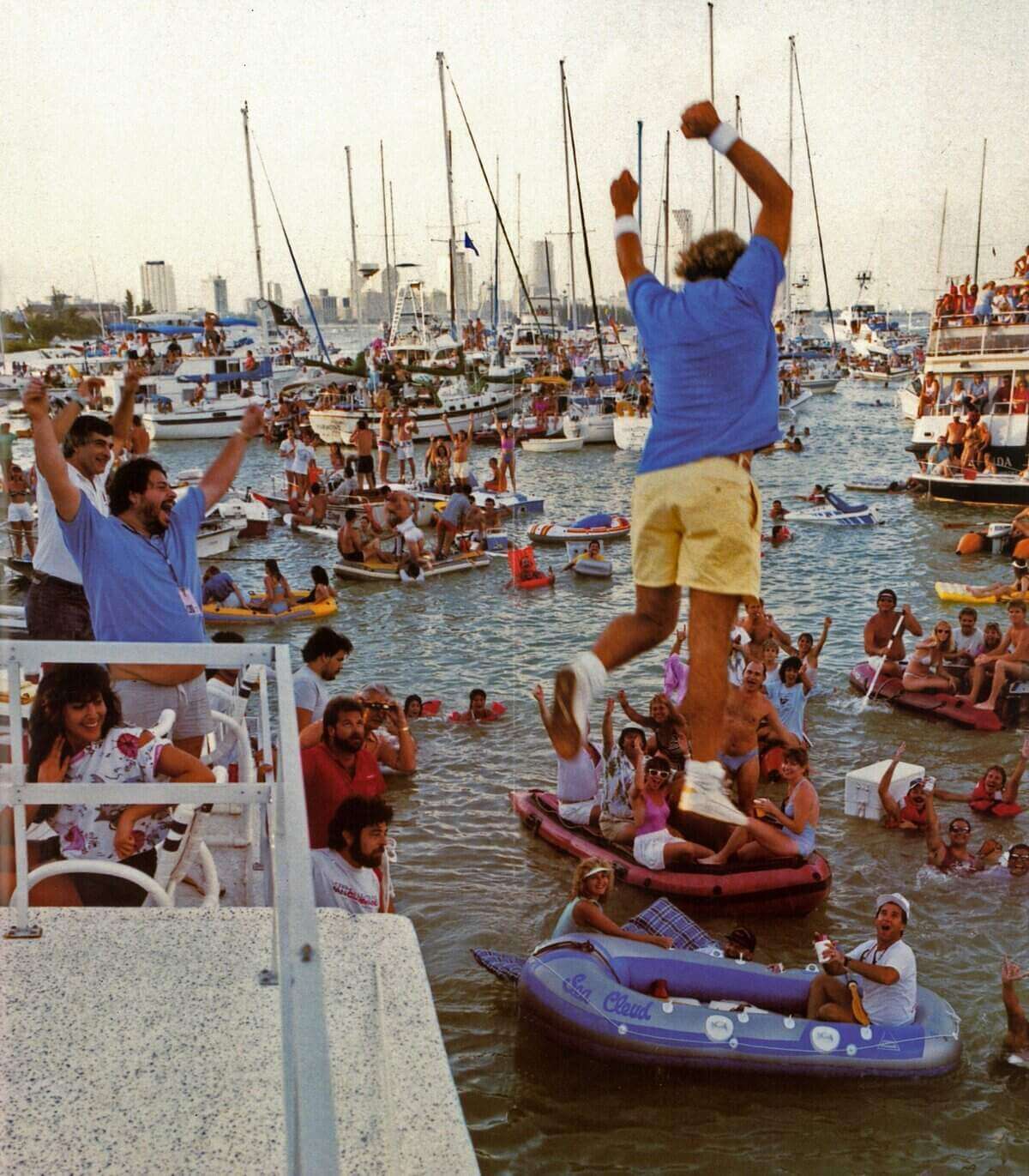
Closed, Abandoned, and Then Reclaimed
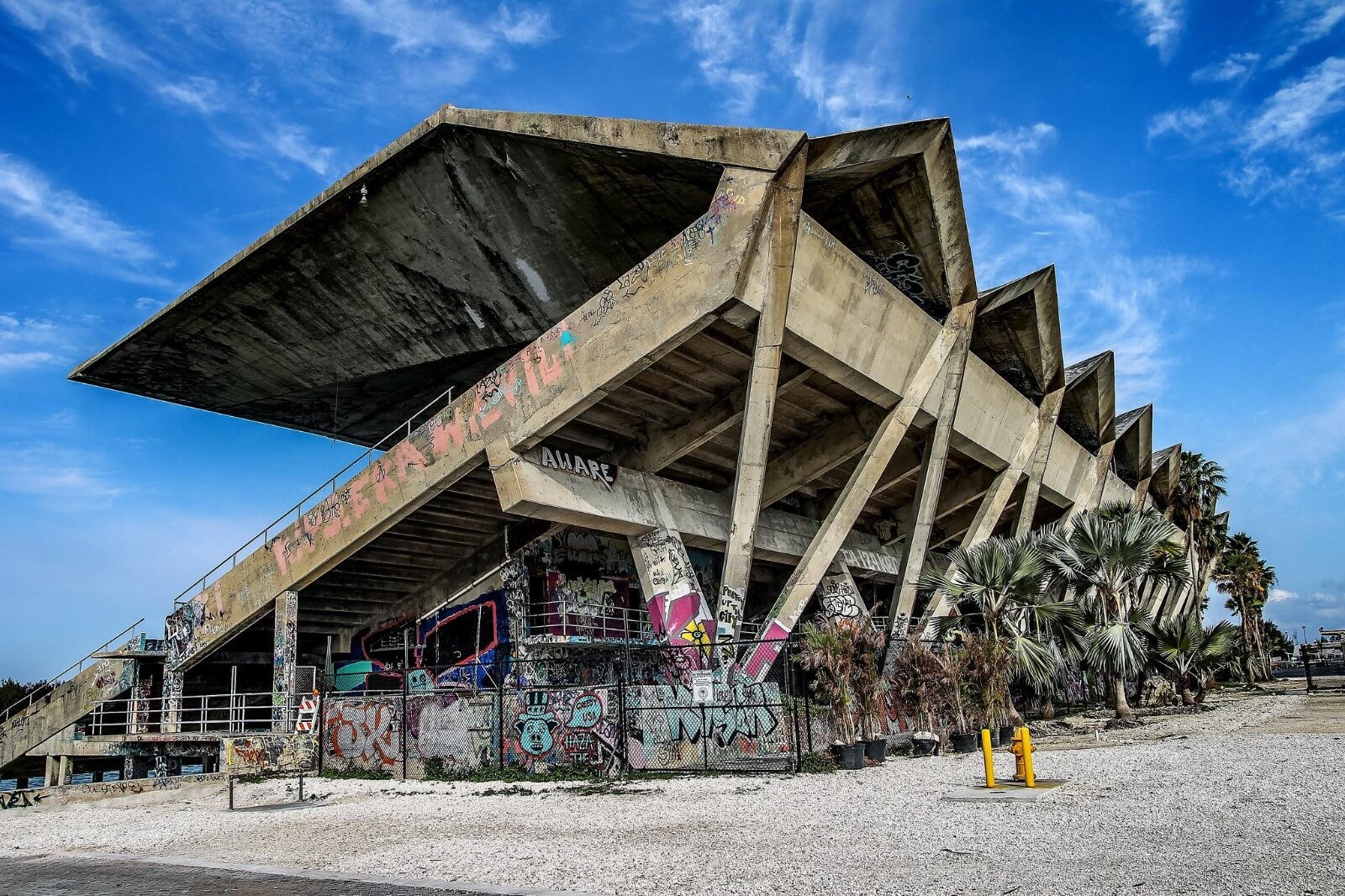
Hurricane Andrew hit in 1992, and the stadium was declared unsafe under Miami-Dade County building code. A year later, an engineering study found it hadn’t actually sustained significant structural damage from the storm.
It stayed closed anyway.
For the next three decades, Marine Stadium sat empty — but it didn’t stay quiet. Graffiti artists began sneaking onto the property, and nearly every reachable surface eventually got painted, layered over generations of previous work. Conservators later found an estimated 200 layers of paint in some sections.
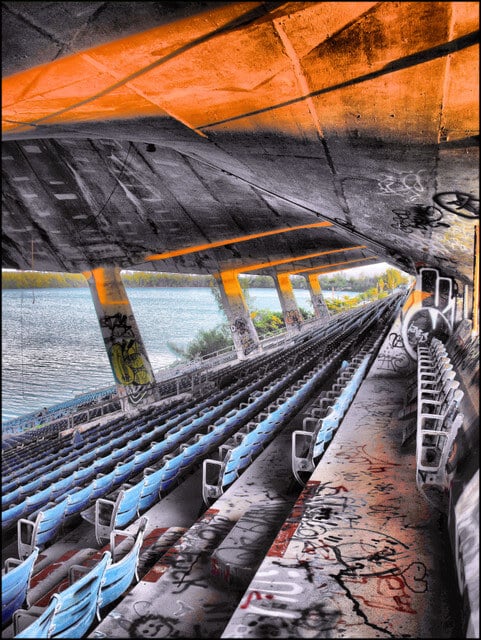
Candela himself came to embrace that chapter. He said the artists had kept the building alive. And in a real sense, they did — an entire generation of Miamians came to know Marine Stadium as a graffiti landmark and urban-exploration site long before they knew it as a stadium at all.
That’s the building the August referendum is trying to bring back: a 40-year management deal, up to $10 million toward restoration, and the city retaining ownership throughout.
Three Buildings Miami Didn’t Save
Marine Stadium almost joined a longer list. A few examples of what didn’t make it:
The Miami Orange Bowl. Built during the Depression to bring tourism back to the city, it later hosted five Super Bowls, the Dolphins’ perfect season, and in 1962, President Kennedy addressing thousands of Cuban exiles and the returning prisoners of Brigade 2506. It’s gone.
Tobacco Road. Miami’s oldest bar, holder of the city’s first liquor license dating to 1912, reportedly a Prohibition-era speakeasy, later a well-known gay bar and live-music venue. The property sold in 2012 just as Brickell’s transformation was accelerating. It was demolished in 2014 — and more than a decade later, the site is still an empty lot.
The Miami Herald Building. Opened on Biscayne Bay in 1963, the same year as Marine Stadium, and the newsroom that produced 19 of the paper’s 20 Pulitzer Prizes. Sold in 2011, demolished by 2015, for a redevelopment that never came. The land still sits largely empty.
Notice the pattern. In each case, the building came down for a development that was supposed to replace it — and in two of the three, that development still hasn’t happened. What’s left isn’t progress. It’s a void.
What This Has to Do With Buying or Selling in Miami
Here’s where I want to connect this to real estate directly, because it’s not a stretch — it’s the whole point.
Miami is one of the fastest-changing cities in the country. That’s not inherently bad; cities have to grow, and plenty of what’s being built here right now is excellent. But growth and preservation are constantly in tension, and left purely to market forces, waterfront land like Marine Stadium’s would almost certainly have gone to the highest bidder — another condo tower, another marina, another retail strip.
That tension shows up in property values too — but not in the simple way people assume. Preservation doesn’t automatically mean a premium. Sometimes it means the opposite.
Land is what’s driving demand right now, not the structure sitting on it. In small, in-demand waterfront pockets like Sunrise Harbour, new construction is starting to make its way in, especially on the water — and land values are climbing because of it. If a home sits on a legally protected historic lot and can’t be torn down, it’s competing against buyers who are really pricing the land, not the house. That protection, which sounds like an advantage, can actually mean less value than an equivalent lot without the restriction. In practice, very few of these older homes actually carry a formal historic designation — most owners have the option to rebuild, which is exactly why land value is pulling away from structure value.
There’s a workaround for the homes that are protected. If you’re on a large enough lot, you can add on — you just can’t change what faces the street. The front has to stay as it was. That opens the door to real square footage without losing the designation.
And the data backs a related but different point. It’s not that historic homes specifically are outperforming — it’s that fully remodeled homes are. We’re now seeing older homes in Coconut Grove and Coral Gables that have been gutted and rebuilt inside sell for as much, and in some cases more, than new construction on a price-per-square-foot basis. The premium is going to move-in-ready, modern interiors — whether or not the home carries any historic status.
If you’re buying in Miami right now, that’s the more useful question than “is this a historic home”: what is the land worth on its own, does a formal designation actually restrict what you can do with it, and can a full remodel get you new-construction-level finishes without giving up the lot or the block you actually want.
And if you’re selling an older home, a full remodel — not the age of the house — is what’s most likely to get you top dollar in the Grove and the Gables right now.
Frequently Asked Questions
Does historic designation hurt or help home values in Miami? It depends on the lot, and it applies to fewer homes than most buyers assume. In areas where land itself is in high demand, a formal historic designation that blocks a teardown can suppress a home’s value relative to a comparable, unrestricted lot. Where an addition is allowed, owners can typically build on as long as the street-facing facade stays intact.
Are older, character-filled homes worth more than new construction in Coconut Grove or Coral Gables? Not on their own — it’s the remodel, not the age, that’s driving price per square foot. Older homes that have been fully renovated inside are now selling for as much or more than new construction in parts of both neighborhoods, while comparable homes that haven’t been updated typically sell for less.
Is waterfront property in Miami always a safe long-term investment? Waterfront generally holds strong long-term demand because it’s a fixed, non-replicable resource, but individual outcomes vary by flood zone, insurance costs, elevation, and neighborhood-specific factors — worth reviewing property by property rather than assuming all waterfront behaves the same.
Let’s Talk About Where You’re Buying Into
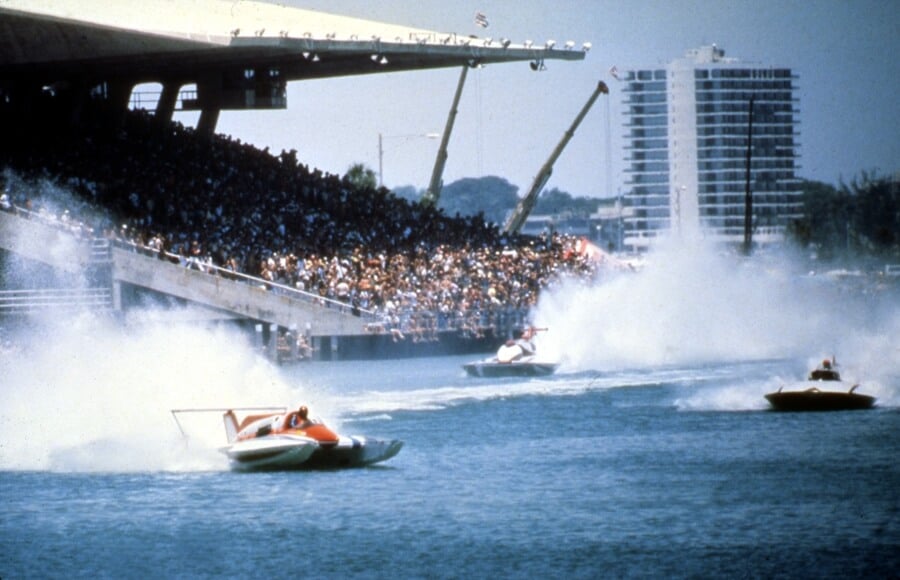
I don’t think the answer to Miami’s growth is freezing the city in time — that’s never been realistic, and it’s not what makes a great city. But knowing which neighborhoods are protecting their history, and which ones keep losing it, should shape how you think about where you buy.
Watch the video above for the full story of Miami Marine Stadium, its architecture, its abandoned years and what could happen next.
If you’re weighing a move into one of Miami’s more character-driven pockets — or just want a straight read on how a specific neighborhood’s history is shaping its value — tell me which one you’re considering, and I’ll walk you through what’s actually happening there.
Guillermo Freixas President, My Block Group — Real Estate Advisor SERHANT. | Coconut Grove & Coral Gables, Miami, FL
Sources: Axios Miami, The Real Deal, Dezeen