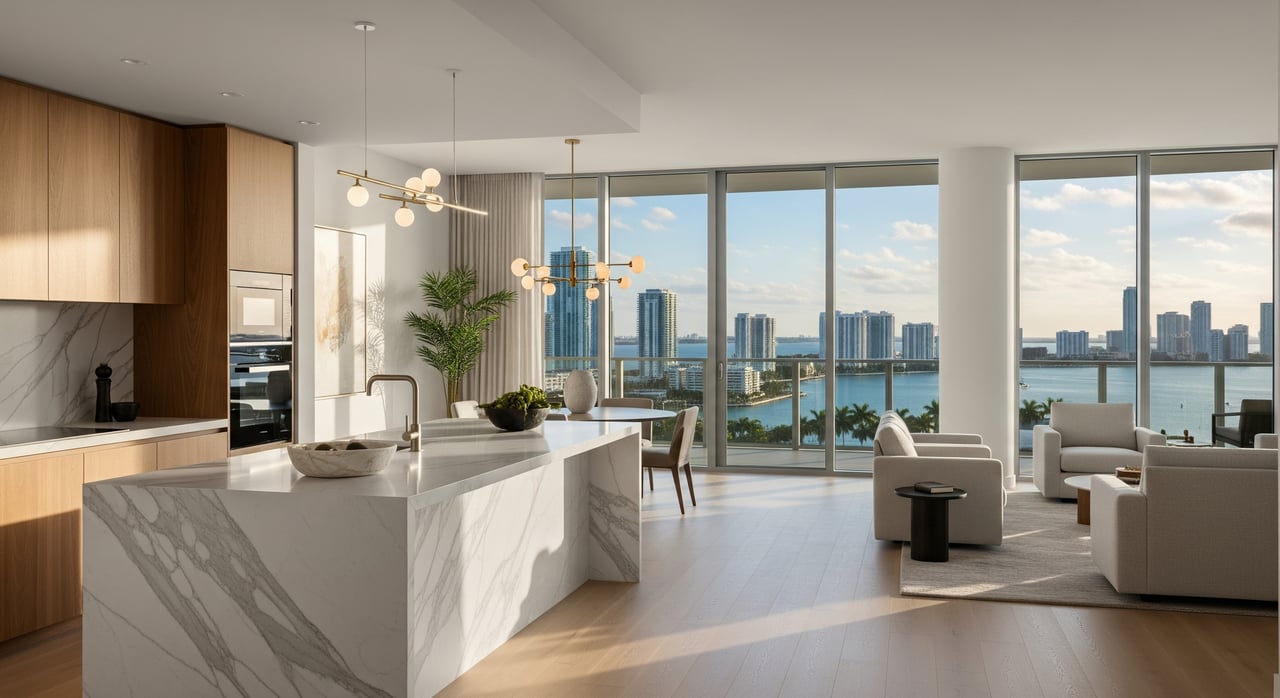
Are you eyeing a shiny new condo rising over Brickell’s skyline and wondering how to buy in before it’s built? You’re not alone. Pre-construction can be a smart path to new amenities and tailored finishes, but the process, deposits, and risks work differently than resale. In this guide, you’ll learn how Brickell pre-construction purchases typically work, what costs to expect, which contract terms matter most, and how to reduce risk from day one. Let’s dive in.
How Brickell pre-construction works
From reservation to closing
Most Brickell new developments follow a sequence:
- Reservation: You sign a reservation agreement and put down a small, usually refundable deposit to hold a unit.
- Contract execution: You move to the developer’s purchase agreement, which defines your deposit schedule, delivery timing, assignment rules, finishes, warranties, and remedies.
- Construction phase: You receive progress updates and make finish selections by set deadlines.
- Closing and turnover: After inspections and a certificate of occupancy, you close and take title. Delivery is often 1 to 3+ years from contract.
Key contract terms to watch
Read the developer’s contract closely. Focus on:
- Delivery timing: Look for an “outside date,” allowed extensions, and force majeure language.
- Remedies and delays: Understand liquidated damages and what happens if the project or delivery is late.
- Assignment: Confirm if you can assign the contract, required approvals, and fees.
- Cancellation and refunds: Know when deposits are refundable.
- Finishes and upgrades: Clarify what’s included, what counts as a change order, and the cost controls.
- Warranties: Review scope and durations for workmanship, systems, and structural elements.
What it really costs
Deposit schedules
Developers set staged deposits during construction. In South Florida, total deposits during the build are commonly in the single- to low‑double‑digit percentage range of the purchase price. The exact schedule varies by project and market cycle. Some high-end towers may ask for larger phased deposits, while others may offer promotional incentives that reduce deposits for a limited time.
Closing and move-in costs
Budget for more than your down payment. Typical buyer costs include:
- Title insurance, closing, and recording fees.
- Florida documentary stamp and recording taxes, as allocated by contract.
- Lender fees, appraisal, and underwriting charges if you finance.
- Finish upgrades and any change orders you select during construction.
- Association move-in fees, parking registration, and pet deposits.
- Property tax proration and post-closing taxes. Homestead exemptions apply only after you close and record.
Builders sometimes offer credits or pay a portion of buyer closing costs. If offered, it will appear in the contract or addenda.
HOA budgets and assessments
New associations launch with a developer-prepared pro forma budget. Review:
- Reserves: Operating and capital reserves should be credible for the building’s scale and amenities. Adequate reserves help lower the risk of early special assessments.
- Monthly dues: Confirm what’s included, from utilities and cable to staffing and amenity operations.
- Insurance: Check projected property and flood coverage. In Miami, insurance costs are changing, and assumptions matter.
Ask if the pro forma reflects realistic staffing, maintenance, and insurance line items. If numbers feel low, clarify what has been modeled and what could trigger an increase or assessment.
Brickell risk factors to consider
Market supply and timing
Brickell sees frequent high-rise launches. When supply runs ahead of demand, pricing and rent yields can feel pressure. Compare a tower’s unit mix to local demand, especially if a building leans heavily toward smaller, investor-oriented layouts. Longer delivery timelines also expose you to market shifts before you close.
Flood, insurance, and resilience
Parts of Brickell fall within FEMA flood zones. New buildings must meet current Miami‑Dade wind and hurricane codes and often incorporate resilience features like elevated first floors, flood‑proofed garages, and backup power. Still, verify the building’s elevation, stormwater design, and where critical systems sit. Insurance for both the HOA and individual owners has been volatile. Get clarity on expected coverage and premiums.
Post‑Surfside environment
Since the Surfside tragedy, Florida has tightened building inspections, safety reporting, and reserve standards. New construction faces stricter codes and scrutiny, while older buildings shoulder ongoing inspection and reserve obligations. These dynamics affect perception, insurance markets, and long-term costs across the neighborhood.
Assignment and financing
Assignments and flips
Assignment rules vary widely by developer. Some allow assignment subject to approvals and fees; others prohibit it or allow it only after certain milestones. If you aim to assign for profit, confirm:
- Whether assignment is permitted and at what stage.
- Any assignment fees and the approval process.
- Financial qualifications required of the assignee.
- Tax implications and timing constraints.
Assignment activity has historically existed in Brickell, but conditions change. Treat assignment as a potential option, not a guaranteed exit.
Developer and lender due diligence
Project execution depends on the developer’s financial strength and access to construction financing. Ask for:
- Track record: Prior Miami or Brickell buildings, delivery timelines, quality, and any litigation or defect history.
- Financing status: Whether a construction loan is committed and the lender’s presale threshold.
- Contractor selection: General contractor reputation and any lien history.
- Presales: Current percentage sold and typical buyer profile. Higher presales usually lower financing risk.
Practical due diligence checklist
Documents to request
- Reservation agreement and purchase agreement with all addenda.
- Deposit schedule and refund/cancellation terms.
- Project timeline, estimated delivery date, and extension clauses.
- Developer disclosure package, including history, litigation, general contractor, and lender details.
- Condominium documents when recorded, plus the pro forma and sample budgets.
- Warranty summary with start and expiration dates.
- Assignment rules, including any lockups or fees.
- Insurance summary for the HOA and expected owner obligations.
- Site plan and permit status as available.
Smart questions to ask
- How much of the building is presold? What is the typical buyer profile?
- Who is the construction lender and is financing committed?
- Who is the general contractor? Any notable liens or claims?
- What is the exact finish allowance and typical upgrade cost range?
- Are any special assessments anticipated or unbudgeted capital needs known?
Timeline planning tips
- Expect multi‑year delivery windows and plan cash for staged deposits.
- If investing, model the carrying period before rental income begins.
- If financing, get preapproval and confirm your lender’s condo requirements for new construction.
- Prepare for final walk‑throughs and punch‑list deadlines shortly before closing.
New build vs resale: how to decide
Choosing pre-construction versus resale depends on your goals.
- Choose pre-construction if you value new systems, modern resilience features, and tailored finishes, and you are comfortable with a longer timeline and staged deposits.
- Choose resale if you need certainty on move-in timing, want to evaluate the building’s established HOA history and insurance costs, or prefer to compare actual views and light in person.
In both cases, weigh HOA budgets, insurance, and market supply. Pre-construction shifts some risk to the developer but also to you through timing and contract terms. Resale offers clarity today but may require upgrades.
How a local advisor helps
A Brickell-focused advisor can streamline this process by:
- Comparing deposit schedules, assignment rules, and warranty terms across projects.
- Stress‑testing HOA budgets for insurance and staffing.
- Coordinating with your lender on new‑construction underwriting requirements.
- Guiding you on finish selections and upgrade costs so you stay on budget.
- Connecting you with experienced Florida condo counsel for contract review.
Ready to explore specific towers and de‑risk your plan? Let’s build a clear path from reservation to closing, tailored to your goals.
If you want a seasoned, neighborhood‑savvy partner for Brickell pre‑construction and resale comparisons, connect with Guillermo Freixas for a complimentary market consultation.
FAQs
What is the typical deposit for a Brickell pre‑construction condo?
- Total deposits during construction are commonly in the single‑ to low‑double‑digit percentage range of the purchase price, with the exact schedule set by the developer’s contract.
How long does it take to close on a pre‑construction condo in Miami?
- Delivery often occurs 1 to 3+ years from contract, depending on the project’s timeline, permitting, and construction progress.
Can I assign or flip my pre‑construction contract in Brickell?
- It depends on the developer. Some allow assignment with fees and approvals, while others restrict it until certain milestones or prohibit it entirely.
What HOA costs should I review before buying pre‑construction?
- Review the pro forma budget, reserve funding, insurance line items, and what dues include for staffing and amenities. Ask if projections match current market conditions.
How do flood zones and insurance affect new Brickell condos?
- Parts of Brickell are in FEMA flood zones, and insurance costs have been volatile. New buildings follow current codes and resilience standards, but you should verify coverage expectations for both the HOA and owners.
What warranties do developers typically provide on new condos?
- Warranties vary, but you often see a short‑term workmanship warranty, a 1–2 year systems warranty, and a longer structural warranty defined by the developer.
What due diligence should I complete before signing?
- Request the full contract package, deposit schedule, developer disclosures, HOA budgets, warranty terms, assignment rules, insurance summaries, and a clear construction timeline.