Is Coconut Grove a good place to live?
For the right buyer, yes — Coconut Grove is Miami's oldest neighborhood, built around a tree canopy, walkable village core, and direct access to Biscayne Bay. But "Coconut Grove" isn't one neighborhood — it's three distinct ones (North, Center, and South Grove), each with a different lifestyle and a different price point. Based on MLS data for the six months ending August 31, 2026, the median single-family home in Coconut Grove sold for $2.8 million, up 14% year over year — and where in the Grove you buy changes that number significantly.
Key Takeaways
- Coconut Grove is made up of three distinct micro-neighborhoods: North Grove (private, residential, near the village core), Center Grove (the walkable restaurant-and-retail heart), and South Grove (quiet, estate-sized lots, gated waterfront communities).
- Median single-family home price: $2.8 million, up 14% year over year (MLS, 6 months ending 8/31/26).
- South Grove commands a premium over North Grove — $3.5 million vs. $2.8 million median for single-family homes.
- Most of the Grove sits in Flood Zone X (lower risk), though a band of higher-risk zones runs along South Bayshore Drive and Main Highway.
- Coconut Grove real estate is best understood as a land and lifestyle market, not a price-per-square-foot market — location, lot, and character often outweigh the condition of the existing structure.
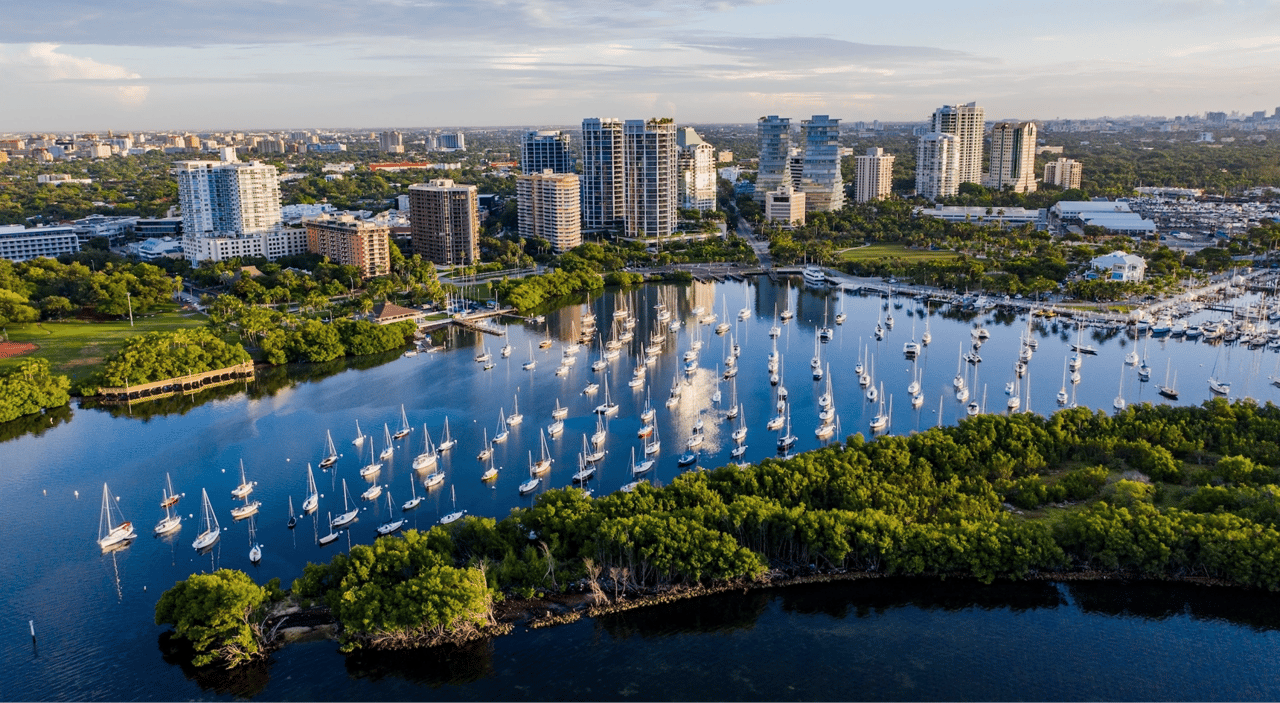
Some Miami neighborhoods are places people move to for convenience. Others are places people move to for status. Coconut Grove is different. It's a neighborhood people move to because it doesn't feel like the rest of Miami — winding streets, a real tree canopy, historic homes, marinas, and a village atmosphere that's genuinely hard to find elsewhere in the city. And you're still minutes from Brickell, Coral Gables, and downtown Miami.
But there's a trade-off. You pay for that feeling. And in the Grove, you're not really paying for square footage — you're paying for land, trees, location, character, and scarcity.
A Neighborhood With Real History
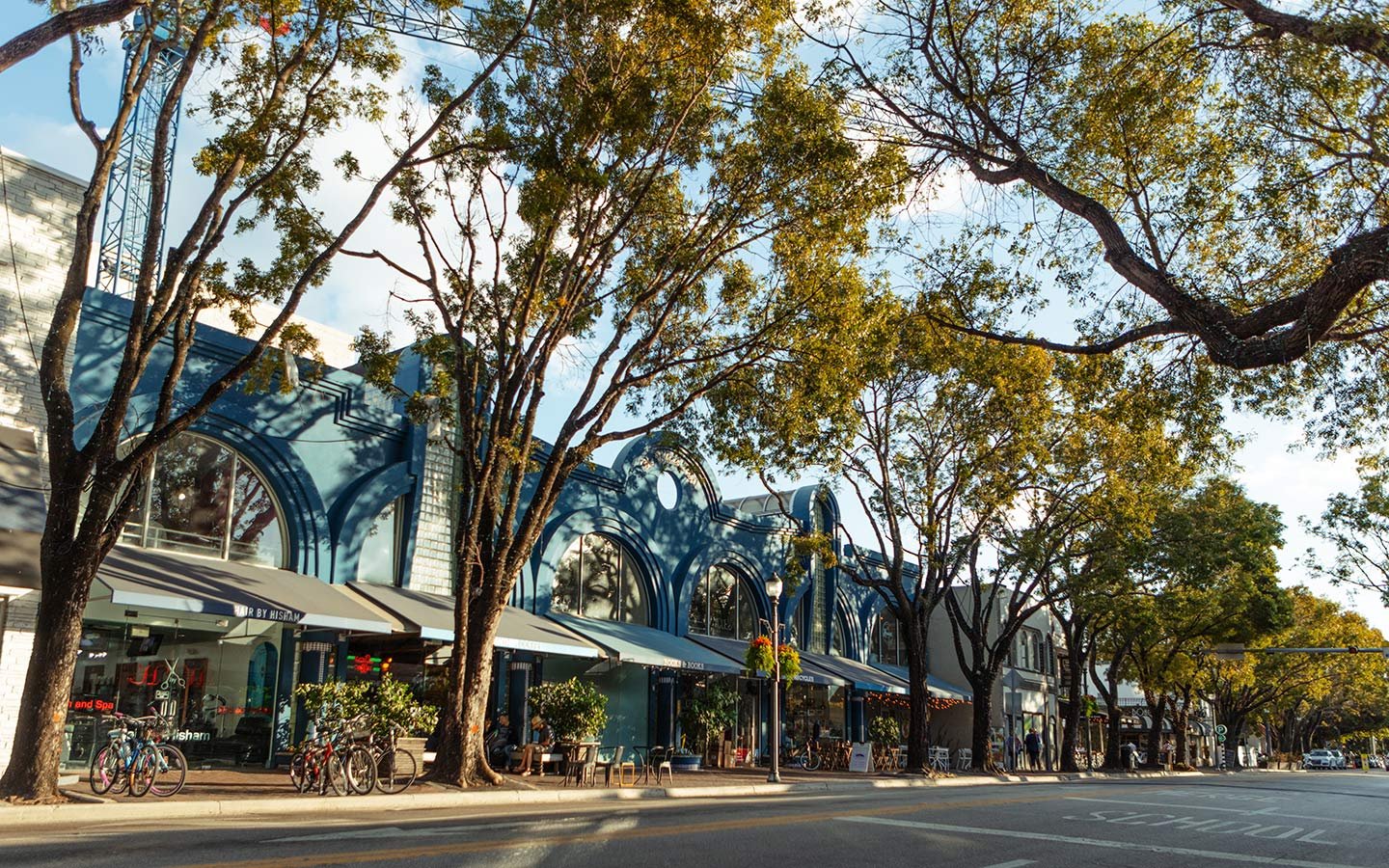
Founded in the late 1800s along Biscayne Bay, Coconut Grove grew organically rather than to a master plan, and it still shows today. Streets curve instead of following a grid. Banyans and oaks shade entire blocks. Coral rock walls stand in for gates. The pace is simply slower — and that's before you get to the personality: the Grove has a genuine bohemian streak, visible today in traditions like the King Mango Strut, its irreverent parody parade, alongside the Coconut Grove Arts Festival and Grovetoberfest.
Not everything here is new, either. Buying Coconut Grove real estate often means buying into older housing stock — some of the most charming homes also need the most work. If you want a neighborhood where everything was built in the last ten years, this isn't it.
The Grove Isn't One Neighborhood — It's Three
The most common mistake buyers make is searching "Coconut Grove homes for sale" without knowing which Grove they actually want. North Grove, Center Grove, and South Grove are genuinely different lifestyles, and understanding the difference is the fastest way to narrow a home search here.
North Grove Real Estate
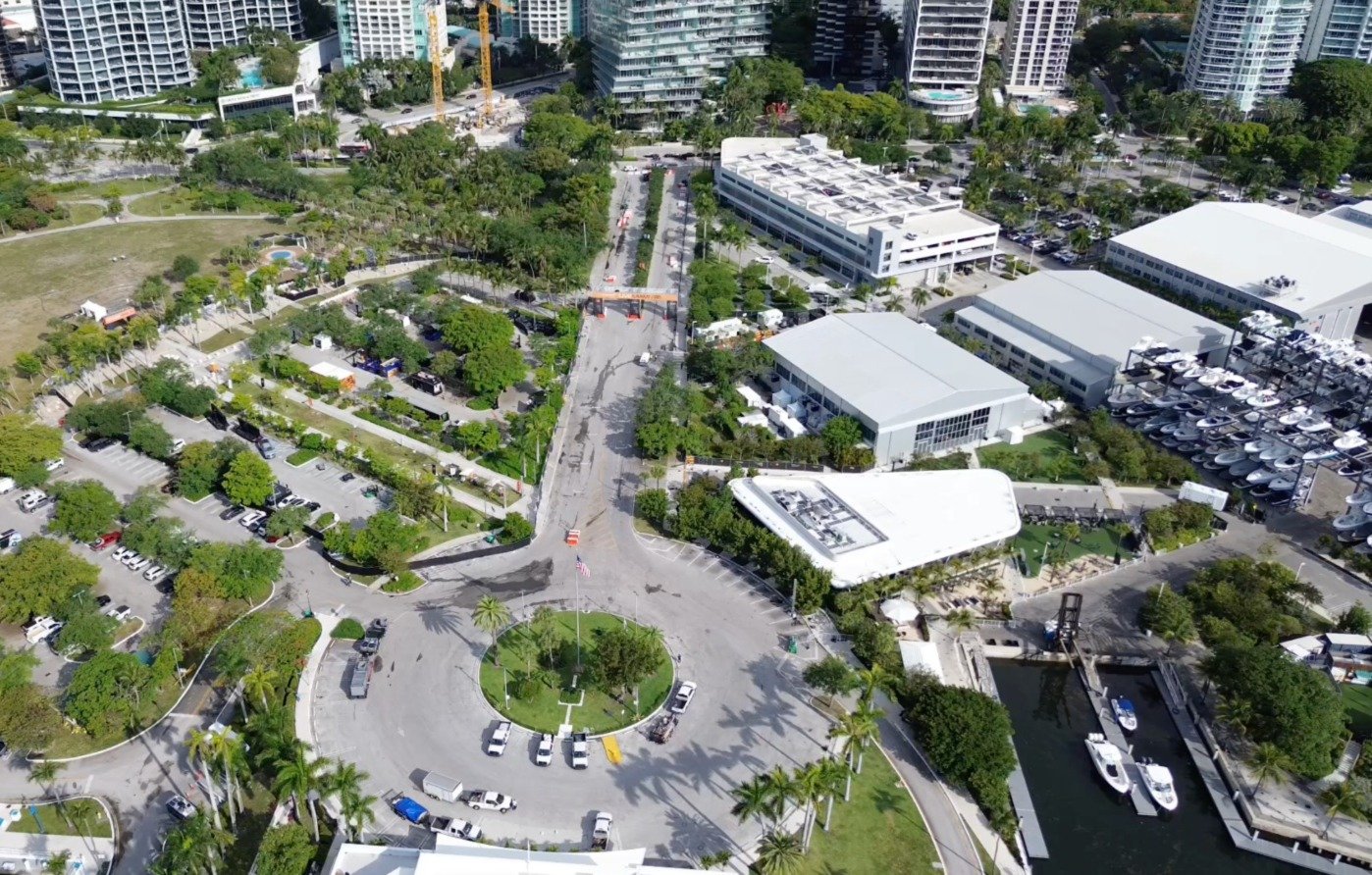
Boundary: Northeast of 27th Avenue and South Dixie Highway, up to Brickell Avenue.
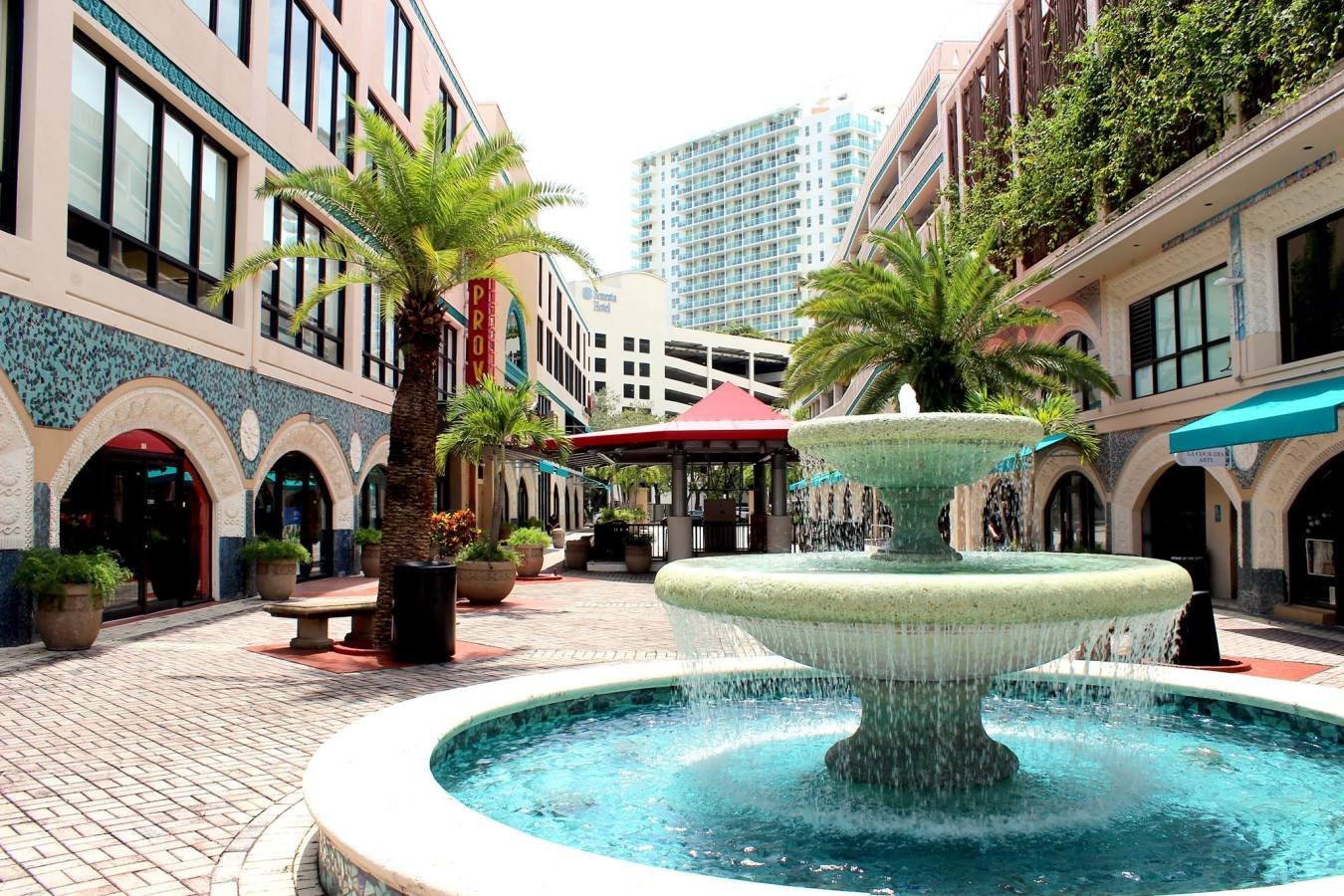
North Grove is more residential and private than urban — it isn't a city-energy neighborhood so much as one that benefits from being close to it. Grand Avenue, Main Highway, and CocoWalk provide easy access to the Grove's restaurant and retail core, while Peacock Park and the marina add a true bayfront lifestyle component. Notable North Grove condo buildings include Grove at Grand Bay, Mr. C Residences, and Park Grove — this sub-area, along with Center Grove, is where most Coconut Grove condo inventory is concentrated.
Center Grove Real Estate
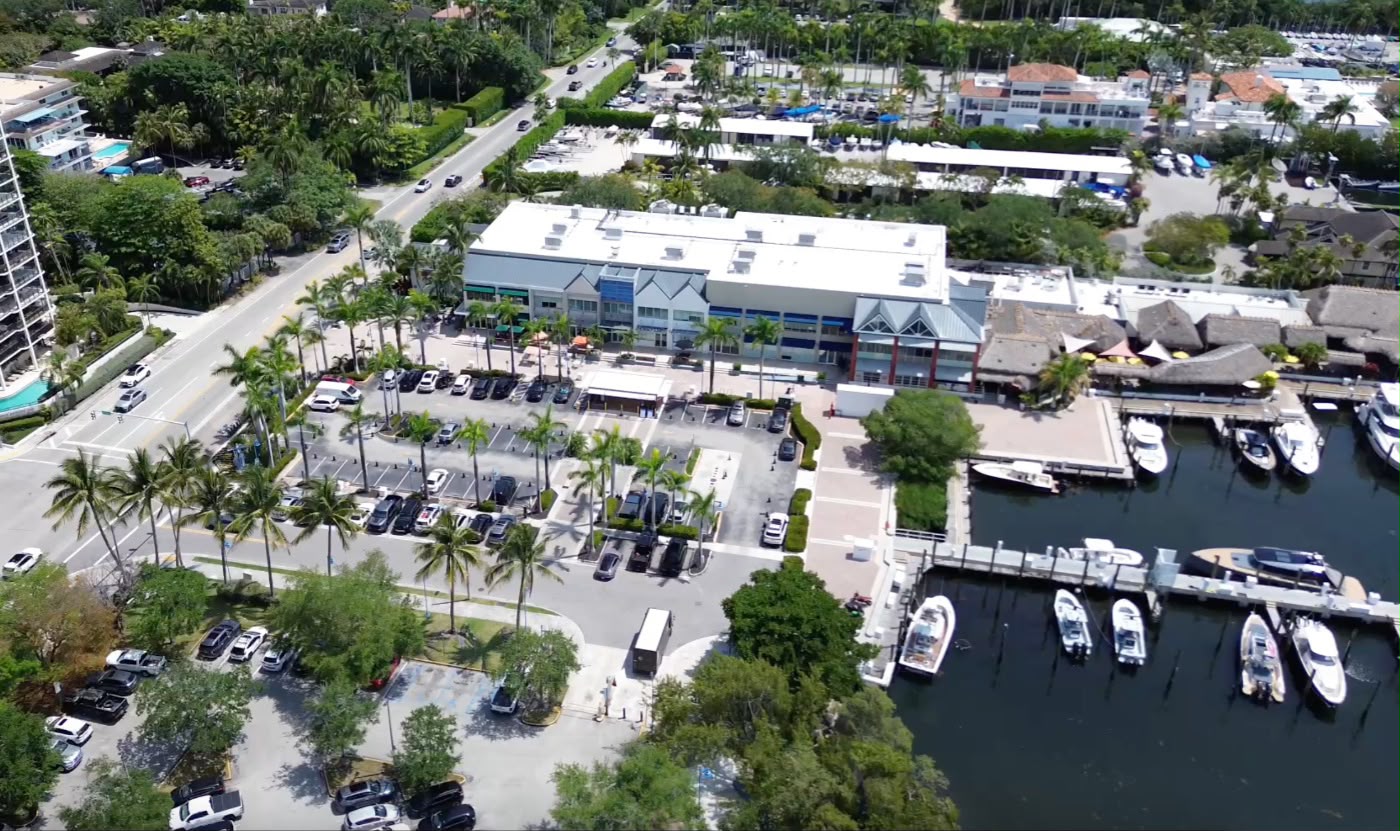
Boundary: East of South Dixie Highway/US-1, between McDonald Street and 27th Avenue.
This is the Grove's most convenient residential-commercial transition zone and its strongest walkability play — CocoWalk, Main Highway, Commodore Plaza, restaurants, and neighborhood services are all within easy reach. It does come with more pedestrian and commercial traffic than the rest of the Grove, simply from proximity to restaurants, retail, and hotels — but that activity doesn't translate into meaningful noise disturbance for residents day to day. If walkability is the priority, it doesn't get more convenient than Center Grove. Most Coconut Grove townhomes are concentrated here and in West Grove.
South Grove Real Estate
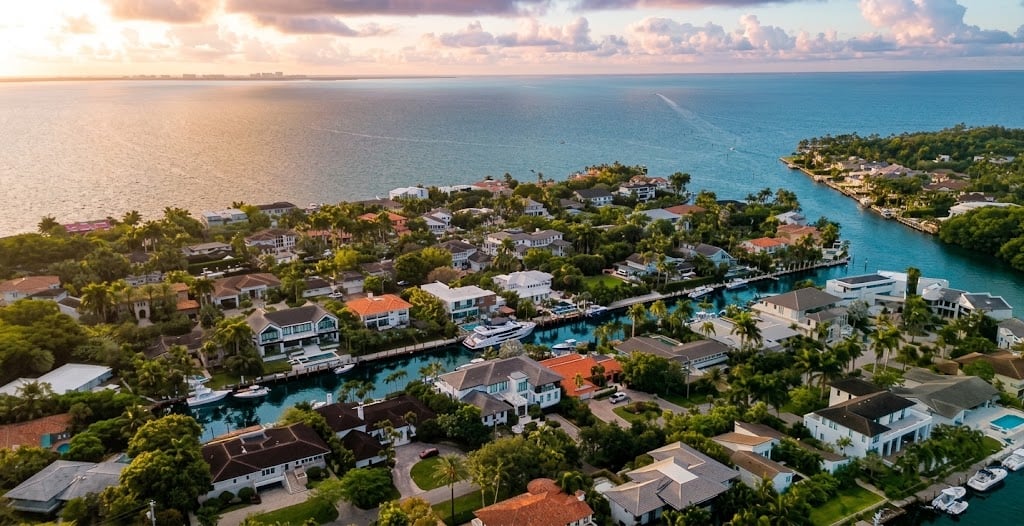
Boundary: South of the village core, extending toward Coral Gables and Old Cutler — generally everything south of Ransom Everglades High School toward Cocoplum, east of Le Jeune Road.
South Grove is Coconut Grove's quieter, estate-oriented section. Larger lot sizes are the norm, and most of the waterfront single-family inventory sits inside gated communities east of Main Highway — including The Moorings and Camp Biscayne. Main Highway and Ingram Road are the primary arteries through the area. This is the side of the Grove that can make you forget you're in the middle of Miami — and it's where Coconut Grove's highest home prices are concentrated.
A Small Neighborhood With an Outsized Food Scene
For a neighborhood this size, Coconut Grove's food scene punches well above its weight. Michelin-starred restaurants like Ariete and Los Félix sit blocks from institutions locals have loved for years, including Greenstreet, Bombay Darbar, and Monty's on the marina. New restaurants continue to choose the Grove as their home every year — and walkable dining like this tends to hold real estate value well beyond any single market cycle.
Dinner Key Marina anchors the neighborhood's relationship with the water, alongside sailing and yacht clubs, waterfront running paths, and Regatta Park. The community calendar reflects the same character: the Coconut Grove Arts Festival, Grovetoberfest, the Seafood Festival at Regatta Park, and the King Mango Strut are traditions residents build their year around — not events designed for tourists.
Coconut Grove Real Estate Market Report (March 1 – August 31, 2026)
Based on MLS data for Coconut Grove sales, six months ending August 31, 2026.
Single-Family Homes
| Metric | Figure |
| Median price | $2.8M |
| Median $/SF | $1,108 |
| Average days on market | 130 |
| Inventory | Just under 4 months |
| Avg. sale-to-list discount | 9% below asking |
| Sales volume | 117 |
By sub-neighborhood: North Grove — $2.8M median, $1,085/SF. South Grove — $3.5M median, $1,225/SF.
Townhomes (concentrated in Center Grove + West Grove)
| Metric | Figure |
| Median price | $1.575M |
| Median $/SF | $751 |
| Average days on market | 90 |
| Inventory | 1.5 months |
| Avg. sale-to-list discount | 7% below asking |
| Sales volume | 52 |
Condos (concentrated in Center Grove + North Grove)
| Metric | Figure |
| Median price | $1.6M |
| Median $/SF | $979 |
| Average days on market | 120 |
| Inventory | 7.5 months |
| Avg. sale-to-list discount | 9% below asking |
| Sales volume | 57 |
Year-over-year (same 6-month period):
- Single-family homes: median price up 14%, price per square foot up 18%, sales up 22%
- Townhomes: median price flat, price per square foot up 6%, sales up 30%
- Condos: median price up 28%, price per square foot up 15%, sales down 3%
Don't Treat Coconut Grove Properties Like Commodities
The median numbers above are a starting point, not the story. In Coconut Grove, you're not simply buying square footage — you're often buying the land underneath it. A dated 1950s house on a large, well-positioned lot may be priced well above what the structure itself seems to justify, because the real product is the land, the trees, the location, or the ability to build something new. This is especially common in South Grove and parts of North Grove, where teardown value can outweigh the value of the existing structure entirely. Understanding what you're actually paying for — the house or the property underneath it — is often the difference between a good and a bad purchase here.
Flood Zones & Insurance in Coconut Grove
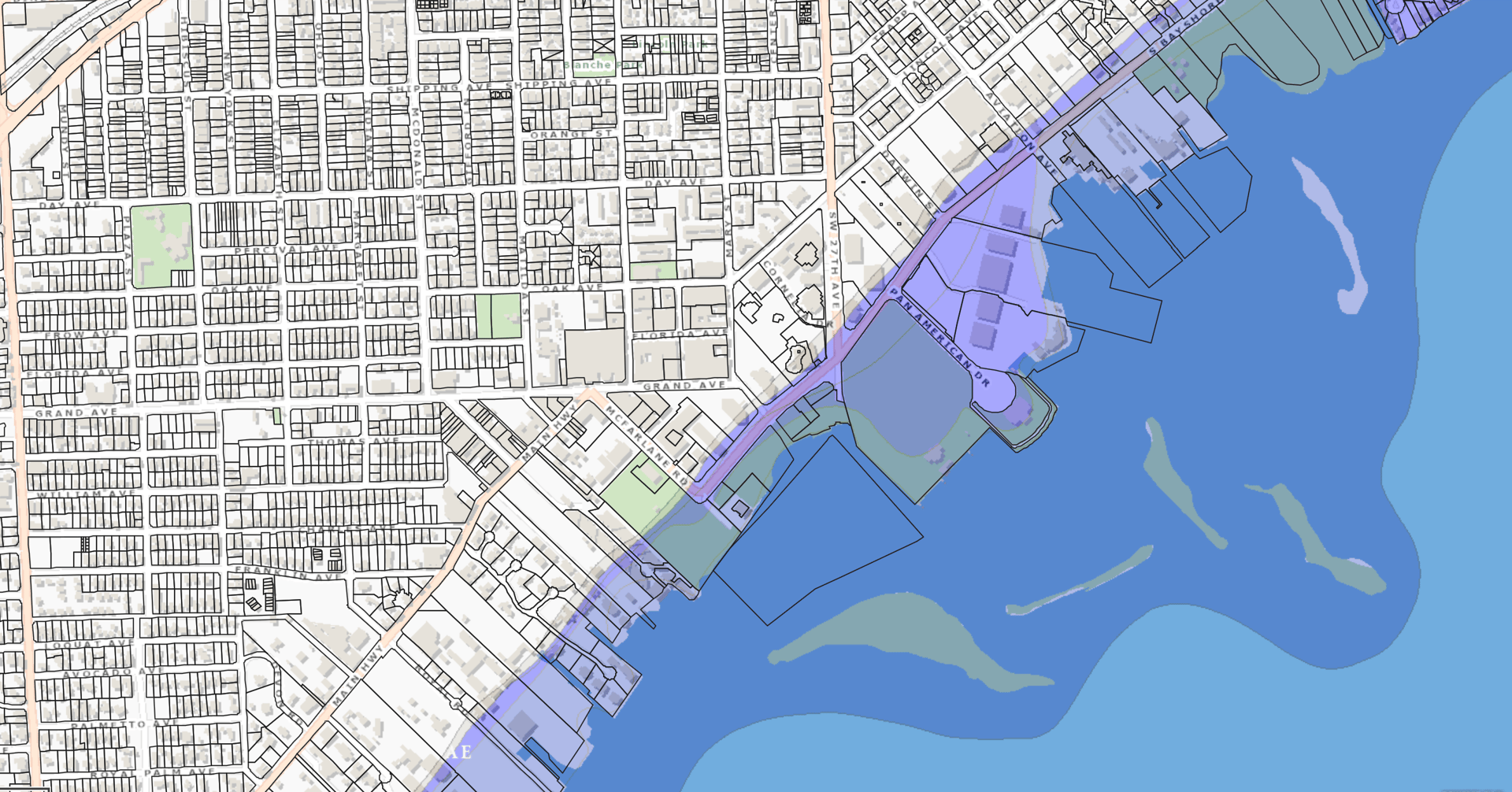
Most of Coconut Grove sits in Flood Zone X — a lower mapped-risk designation where flood insurance typically isn't federally required, though lenders may still require it. Homes carrying higher flood-zone exposure run in a band from the east side of South Bayshore Drive in North Grove down to the east side of Main Highway in South Grove.
Being in Zone X doesn't mean a property can't flood — rainfall, drainage, storm surge, elevation, and nearby development can all affect real-world exposure regardless of zone designation.
A quick primer on the zones themselves:
- Zone X — lower mapped flood risk; flood insurance generally not federally required.
- Zone AE — a Special Flood Hazard Area with a 1% annual chance of flooding; flood insurance is generally required when financing with a federally regulated lender.
- Zone VE — a higher-risk coastal flood zone that also accounts for wave action and storm surge.
On cost: there's no single flood-insurance price tied to a flood zone alone — two homes on the same street can carry very different premiums depending on elevation, construction, and individual risk profile. As a general planning guideline, lower-risk homes may run from several hundred to a few thousand dollars annually in flood premiums, while higher-risk, low-elevation, or waterfront homes can cost considerably more. Florida homeowners policies also typically carry a separate hurricane deductible — for example, a 2% deductible on $1 million of dwelling coverage works out to a $20,000 deductible on a covered hurricane claim.
The bottom line: flood zone is a useful starting point, but the real answer comes from actual homeowners and flood insurance quotes on the specific property during due diligence — not from the zone map alone.
Coconut Grove Schools
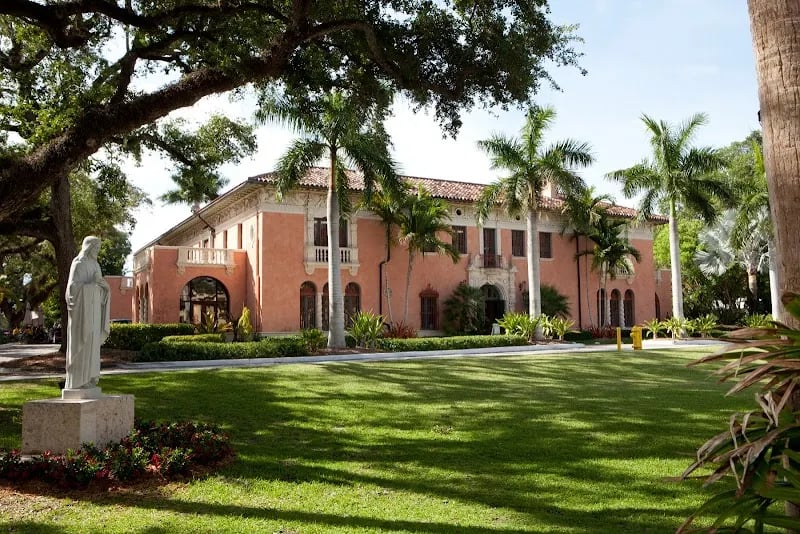
Coconut Grove offers proximity to a range of public and private schools, including Coconut Grove Elementary School, George Washington Carver Middle School, Ransom Everglades, and Carrollton School of the Sacred Heart. Other nearby options buyers commonly ask about include St. Stephen's Episcopal Day School, St. Hugh Catholic School, Coconut Grove Montessori School, George W. Carver Elementary, Immaculata-La Salle High School, and Coral Gables Senior High School.
Public-school assignment depends on the exact property address, grade, program, and school year; magnet, Schools of Choice, and private schools each require separate admissions or application processes. Buyers should confirm current assignments and availability directly with Miami-Dade County Public Schools or the individual institution.
Who Coconut Grove Is (and Isn't) For
Coconut Grove suits buyers who value nature, privacy, character, walkability, water access, and history — and who don't need their home to be the biggest one on the block, because part of what you're buying is the block itself. It's less suited to buyers focused primarily on maximizing new square footage per dollar, or who want high-rise city living and nightlife outside their front door. For that buyer, there are probably better-fitting Miami neighborhoods, like Brickell or Edgewater.
Frequently Asked Questions About Coconut Grove
Is Coconut Grove a good place to live?
For buyers who value walkability, tree canopy, waterfront access, and a slower-paced, community-oriented lifestyle close to Coral Gables and Brickell, yes — Coconut Grove is consistently one of Miami's most sought-after neighborhoods, though it comes at a premium versus much of the rest of the city.
What's the difference between North, Center, and South Grove?
North Grove is residential and private with easy access to the village core and its condo towers; Center Grove is the walkable restaurant-and-retail heart of the neighborhood; South Grove is quieter and estate-oriented, with larger lots and gated waterfront communities.
How much do homes cost in Coconut Grove?
Based on MLS data for the six months ending August 31, 2026, single-family homes carry a median price of $2.8 million ($1,108/SF), townhomes $1.575 million ($751/SF), and condos $1.6 million ($979/SF) — with South Grove single-family homes running higher, at a $3.5 million median.
Is the Coconut Grove real estate market up or down this year?
Single-family home prices and sales volume are both up compared to the same period last year, and townhome sales activity has increased significantly. Condos have seen prices rise while sales volume has softened slightly, suggesting that segment's pricing may be outpacing current demand.
Are Coconut Grove homes at risk of flooding?
Most of the Grove sits in Flood Zone X, a lower-risk designation, though a band of higher flood-zone exposure runs along the east side of South Bayshore Drive in North Grove down through the east side of Main Highway in South Grove. Individual insurance quotes during due diligence are the best way to understand a specific property's exposure.
Is Coconut Grove walkable?
Yes, particularly Center Grove, where CocoWalk, Main Highway, Commodore Plaza, restaurants, and everyday services are all reachable on foot. North and South Grove are more residential and less centered on walkability, though North Grove is still close to the village core.
What schools serve Coconut Grove?
Options include Coconut Grove Elementary, George Washington Carver Middle, Ransom Everglades, and Carrollton School of the Sacred Heart, along with nearby schools like St. Stephen's Episcopal Day School and Coral Gables Senior High. Public school assignment depends on the specific address and school year.
Thinking About Coconut Grove?
Every block in the Grove tells a slightly different story — some streets are built around schools, others around boating; some buyers want walkability, others want larger lots under the canopy of South Grove. Not sure if North, Center, or South Grove is the right fit? Tell me what matters most to you — walkability, privacy, water access, budget — and I'll point you to the right streets.
Watch the video above for the full walk through Coconut Grove — the food, the festivals, the three Groves, and what you’re actually paying for.
Guillermo Freixas, President of My Block Group at SERHANT.