
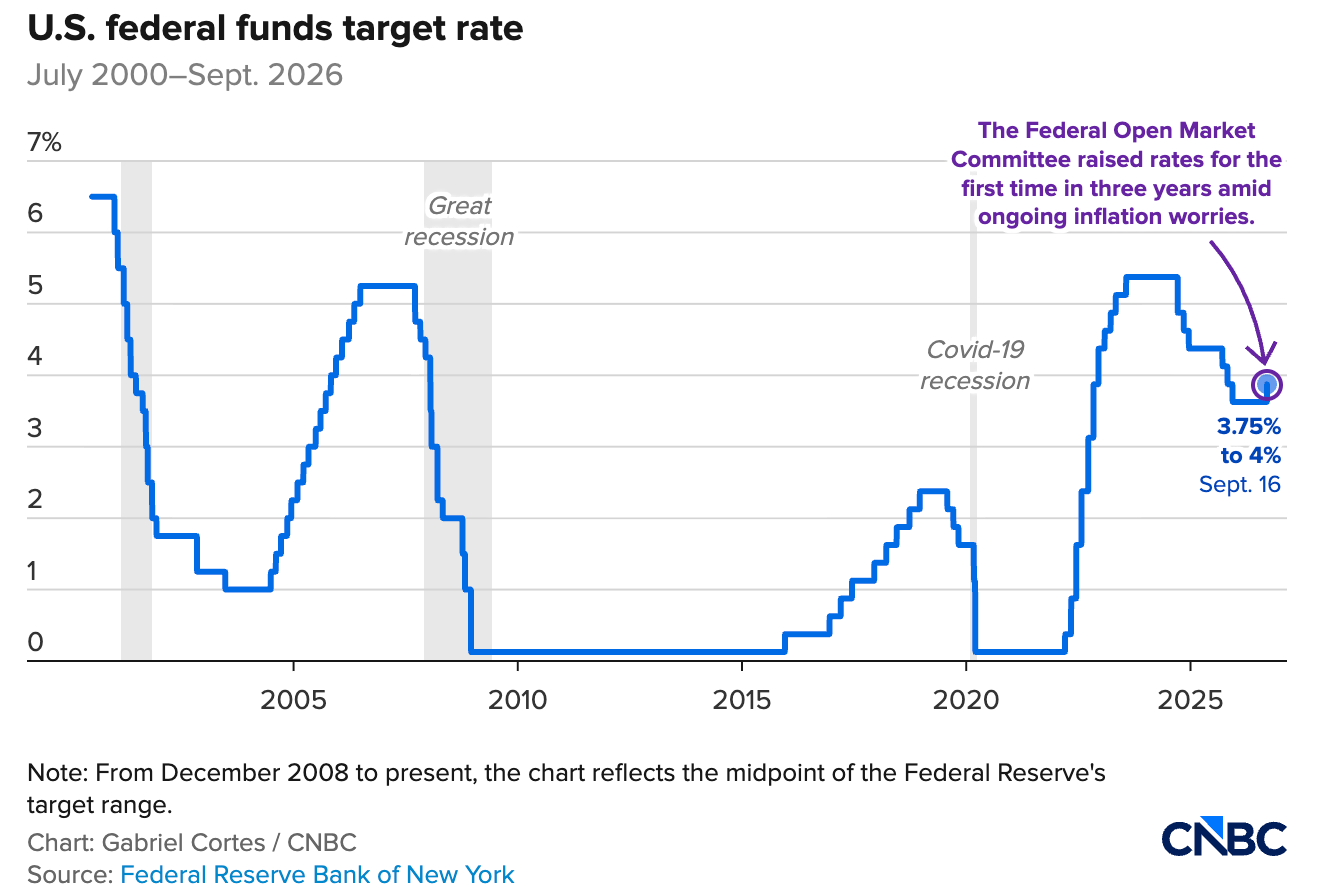
On September 16, 2026, the Federal Reserve raised its benchmark rate by 0.25%, its first increase in three years. For Miami real estate, that changes the arithmetic for buyers more immediately than it changes prices in cash-heavy neighborhoods such as Coconut Grove, Coral Gables, and Sunrise Harbour.
Within an hour of the announcement, Miami real estate social media had settled on one message: buy before rates go higher.
That is not useful advice for everyone. If you have been waiting two years to buy a home, a quarter-point increase is unlikely to change your life plan overnight. It may simply confirm that affordability still matters.
The better question is not when should everyone buy or sell. It is for whom does this market make sense?
What the Fed did — and what it did not do
The Fed raised its benchmark rate by a quarter point in response to inflation that remains above its 2% target. The policy rate affects what it costs banks to borrow and influences the wider cost of money across the economy.
It does not directly set your mortgage rate. Mortgage rates track the bond market and investor expectations around inflation. Rates were already above 7% before the announcement, which is why the decision should be understood as part of an existing borrowing environment — not as the one event that changed it.
For buyers: more leverage, not a blank check
What may change
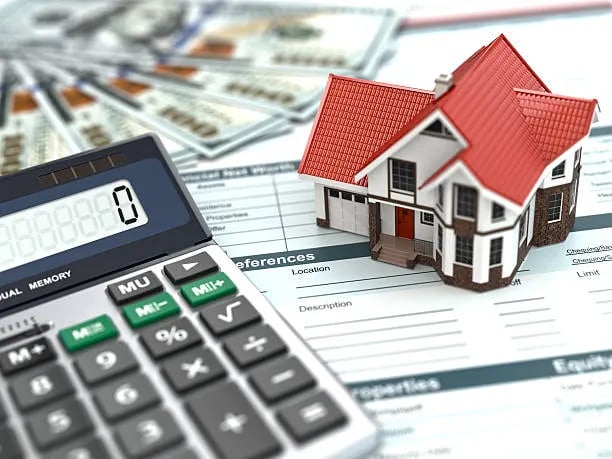
Higher borrowing costs can reduce the number of buyers who depend on financing. On the right home, that can create more room to negotiate:
- Closing-cost credits
- Inspection repairs or credits
- More thoughtful inspection and financing timelines
- Less competition from marginal buyers
That is meaningful. It can make the process less frantic and, in some cases, improve the terms of a deal.
What does not change
The entry price and the ongoing cost of ownership still matter. A discount on a $2 million Coral Gables house does not make the payment, insurance, taxes, or maintenance disappear. It might be a better deal than it was six months ago, but it is still a major purchase.
The buyers most likely to be happy with their decision are not trying to outguess one Fed meeting. They are buying because their life supports it: a family change, a work move, a longer time horizon, or a specific home that would be difficult to replace.
The condo exception requires more homework
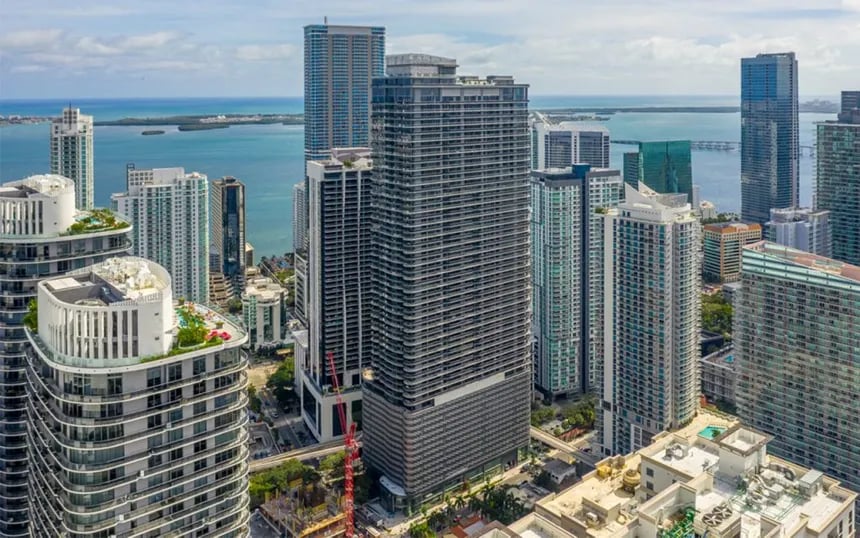
South Florida condos remain a separate conversation. Reserves, assessments, insurance, and compliance requirements have created pressure in parts of the market. That may produce opportunities, particularly where pricing has adjusted.
But the price is not the full story. Before calling a condo a value, read the budget, reserve study, assessment history, board minutes, and planned capital work. A lower purchase price can be offset quickly by an assessment that was visible in the documents all along.
For sellers: read your block, not the headline
The impact on a seller is more neighborhood- and price-point-specific.
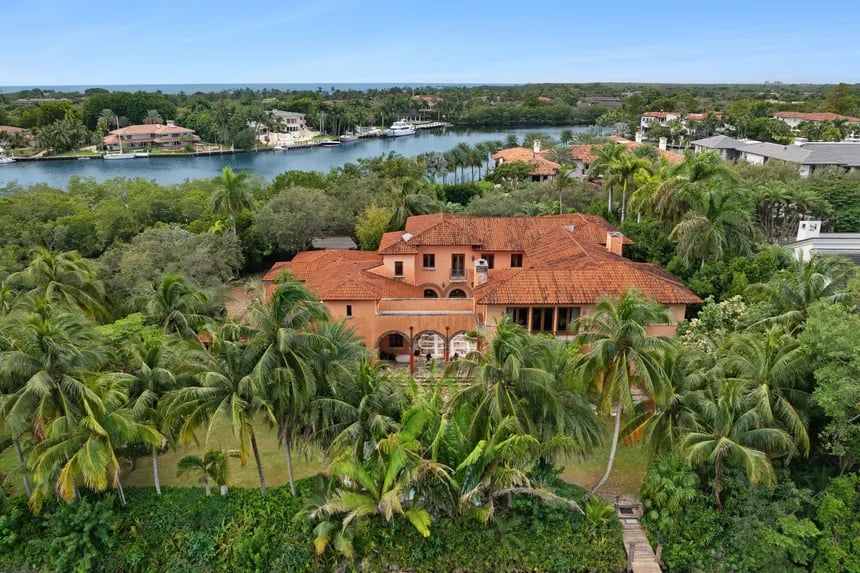
In Coconut Grove, Coral Gables, and Sunrise Harbour, many higher-end buyers are cash buyers or have less dependence on financing. They are not making decisions solely because of a quarter-point Fed move. They are watching availability: the right street, the right waterfront position, the right architecture, the right proximity to schools or the village.
That is why limited inventory can continue to support well-positioned homes even when national headlines feel negative.
What should change for sellers
Not your confidence in a great home. Your discipline around pricing.
Cash buyers pay well for scarce homes. They do not pay for wishful thinking. A listing priced on reality can still earn strong attention and terms. A listing priced on hope becomes easier for a buyer to ignore — especially as other choices come to market.
Where rates can matter more
The impact may be more direct for properties that rely on financed buyers: mid-priced condos, neighborhoods with heavier inventory, and homes where affordability is already tight. Miami is not one market, so the sales strategy cannot be one-size-fits-all.
The question that matters more than timing
For buyers: does your decision depend on the rate, or on your life?
For sellers: is your pricing tied to your home’s actual competitive position, or to a number you hope the market will validate?
The Fed’s decision is relevant context. It is not the entire market.
Coral Gables and Coconut Grove have lived through booms, hurricanes, recessions, and every version of Miami’s evolution. A quarter-point increase will affect financing and negotiation. It will not change why someone wants to live on these streets.
A rate hike changes the arithmetic. It doesn’t change the address.
FAQ
How does the Fed rate hike affect Miami home prices?
Indirectly. Higher borrowing costs can reduce financed demand, but mortgage rates follow the bond market, not the Fed alone. In cash-heavy areas, inventory and the quality of each individual home often matter more.
Should I buy in Coral Gables now that rates rose?
Buy when the home and your time horizon make sense. A less competitive environment can create negotiating room, but it does not make an unaffordable purchase affordable.
Is it a bad time to sell in Coconut Grove?
Not because of this decision alone. Scarcity and cash demand remain important in the Grove. The key is pricing the home for today’s choices, not yesterday’s expectations.
Watch the video above for the full breakdown of higher mortgage rates, Miami’s different markets, and what it means for buyers and sellers
Thinking about buying, selling or investing in Coconut Grove, Coral Gables or Sunrise Harbour?
A rate change is only one part of the picture. At My Block, we look at the full story — pricing, inventory, financing, insurance, assessments and the neighborhood-level details that actually shape a real estate decision.
If you are weighing a purchase, preparing to sell, or simply want to understand how this market is affecting your block, send me a note and we can look at the numbers together.
Guillermo Freixas
President, My Block Group — Real Estate Advisor, SERHANT.
Coconut Grove · Coral Gables · Sunrise Harbour
Where the Gables meets the Grove