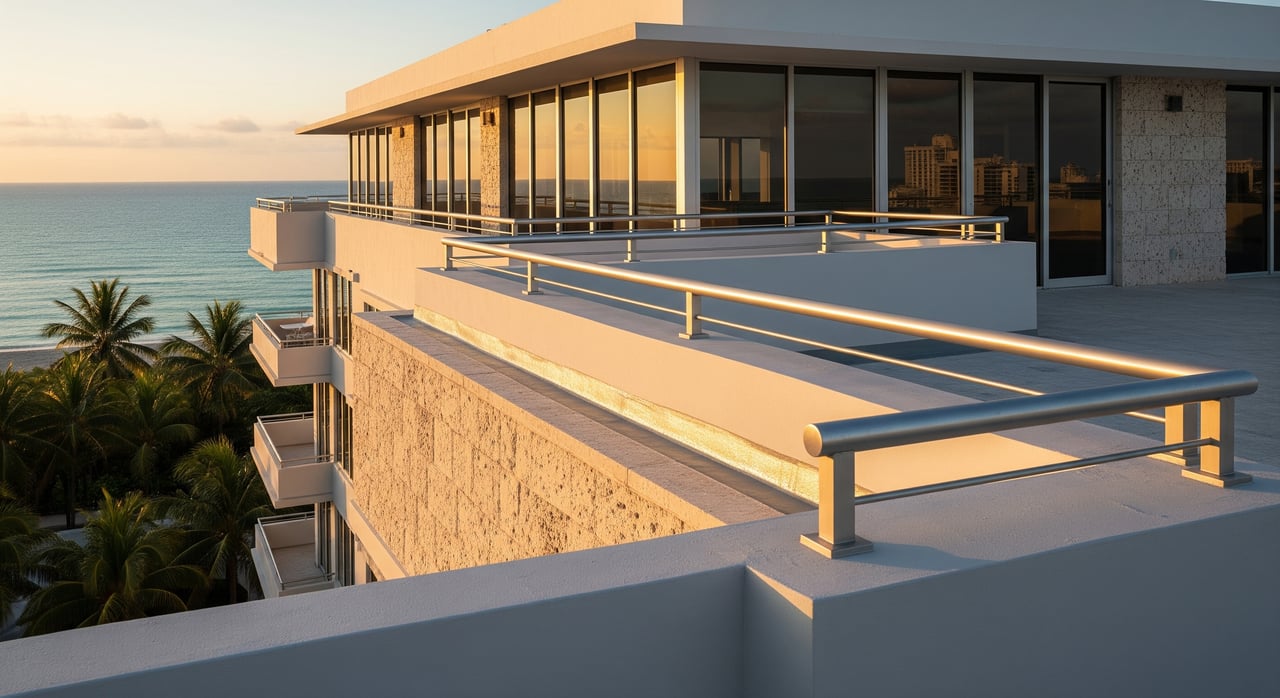
Thinking about a Miami Beach condo but worried about surprise assessments and structural issues? You’re not alone. With many older coastal buildings and a changing insurance and financing landscape, it pays to understand condo reserves and milestone inspections before you make an offer. In this guide, you’ll learn what these terms mean, which documents to request, and how to compare buildings for risk and monthly costs. Let’s dive in.
Why it matters in Miami Beach
After the 2021 partial collapse in nearby Surfside, building safety and financial strength moved to the top of every buyer’s checklist. Miami Beach has many mid-century and older buildings in a harsh coastal environment where salt, humidity, and wind-driven rain accelerate wear. That means higher lifetime costs for concrete, roofs, balconies, and waterproofing, plus more pressure on associations to plan and fund repairs. Lenders and insurers are watching these factors closely, which can affect approvals, premiums, and your monthly payment.
Condo reserves explained
A reserve fund is the association’s savings account for big, non-routine costs like roofs, concrete restoration, elevator replacements, waterproofing, and pool decks. Reserves are separate from the operating budget that covers day-to-day expenses and utilities. Healthy reserves reduce the chance of sudden special assessments and help keep buildings well maintained.
What a reserve study covers
A reserve study inventories major building components, estimates their remaining life and replacement cost, and recommends annual contributions. It is typically prepared by a qualified reserve specialist, architect, or engineer with coastal experience. Full studies include detailed physical analysis, while updates refresh costs and timelines. Best practice is to update every 3 to 5 years or after major work.
Key reserve metrics
- Funded ratio: reserve balance divided by the recommended fully funded balance. Many professionals aim for well-funded reserves, often in the 70 to 100 percent range, while under roughly 30 percent is a warning sign.
- Annual reserve contribution: reserves as a percentage of the operating budget. Older coastal buildings usually need a higher percentage due to faster wear.
- Transparency: expect a current reserve schedule, the latest study or update, and a clear balance shown in financial statements.
Risks of weak reserves
- Deferred maintenance that accelerates concrete and envelope deterioration.
- Frequent or large special assessments to cover urgent work.
- Higher monthly fees to rebuild reserves or finance repairs.
- Financing and insurance hurdles if building condition or finances look unstable.
Milestone inspections overview
A milestone inspection is a focused structural evaluation that looks for signs of distress or deterioration in the structure and building envelope. Historically, some local programs required recertification at 40 years, then every 10 years. State-level changes after 2021 introduced earlier timelines for certain buildings, sometimes at 30 years, with added attention to coastal proximity. Buyers should confirm current requirements with Miami-Dade County and the City of Miami Beach and review the association’s records.
Which buildings are covered
Many rules target multi-story residential buildings, often three stories or more, with extra scrutiny for properties within a defined distance of the coastline. Low-rise buildings and newer construction can have different timelines. Exact definitions vary, so verify the applicable rules for a specific address.
Who performs and scope
Licensed Florida structural engineers or architects conduct these inspections, often supported by specialty testing firms. The scope typically includes columns, beams, slabs, and parking garages, plus balconies, facades, roofs, and waterproofing. Engineers may use both visual reviews and selective testing like core samples or chloride tests to assess hidden deterioration. Reports outline issues, prioritize repairs by urgency, and may include estimated costs and timelines.
Reporting and obligations
Associations must keep inspection reports and, in many cases, make them available to owners and prospective buyers. Findings usually require a repair plan and a funding strategy using reserves, special assessments, loans, or a mix of all three. Timelines and disclosures depend on current law and local ordinances, so confirm compliance with the association and local building departments.
Buyer due-diligence checklist
Documents to request
- Current operating budget and 2 to 3 years of budget history
- Most recent full reserve study and any updates, plus the funding plan
- Current reserve balance and the latest audited or reviewed financials
- Last milestone or structural inspection report, with any addenda and cost estimates
- Records of repairs completed, including invoices and permits
- Board meeting minutes for the last 12 to 24 months
- History of special assessments for the past 5 to 10 years and any planned assessments
- Insurance certificates, declarations page, deductibles, and claims history
- List of pending litigation or arbitration
- Governing documents: declaration, bylaws, and rules
- Engineer’s repair scopes and bids, if available
- Any building department notices, violations, or open permits
- Flood map information or elevation certificates, if available
Questions to ask
- When was the last full reserve study, and when is the next update?
- What percent of recommended reserves is currently funded?
- Have required milestone inspections been completed on schedule? If not, why?
- What were the major findings, and what repairs are done or planned?
- Are special assessments or loans planned, and what is the estimated per-unit cost?
- What is the association’s reserve policy, and are reserves fully, baseline, or minimally funded?
- How many units are delinquent, and what is the arrears rate?
- Any history of repeated insurance claims, non-renewals, or large deductibles?
- What are typical monthly assessments today, and are increases projected?
Red flags to watch
- No recent reserve study, or a study older than 5 years
- Very low funded ratio, roughly below 30 percent of recommended reserves
- Significant or urgent structural deficiencies without a funded repair plan
- Frequent or large special assessments in recent years
- High owner delinquency rates on assessments
- Active lawsuits involving structural defects or association finances
- Insurance non-renewal, large uninsured exposures, or very high deductibles
- Missing permits or open violations for major work
Compare buildings like a pro
- Funded ratio: higher is generally better for risk and cash flow.
- Reserve contribution rate: as a percent of the operating budget.
- Age and repair history: date of last envelope or structural project, like concrete restoration or roof replacement.
- Special assessments: frequency and size over the last 5 to 10 years.
- Milestone inspection status: date of the latest report and severity of findings.
- Insurance costs and deductibles: relative to unit size and value.
- Resale velocity: whether repair needs have affected recent closings.
Miami Beach specifics to weigh
- Older inventory: many buildings pre-date the 1980s, so focus on envelope and concrete repair history.
- Coastal exposure: look for chloride testing, balcony and garage condition, and waterproofing details.
- Flood and sea-level considerations: check flood zones and elevation certificates to understand insurance exposure.
- Local rules and enforcement: confirm current recertification or milestone timelines with Miami-Dade County and the City of Miami Beach.
- Insurance landscape: premiums, deductibles, and carrier appetite can shift, which affects monthly costs.
- Professional help: consider having an independent engineer or a Florida real estate attorney review reports if findings are complex.
Negotiation strategies
- Ask the seller to cover part of an approved special assessment or escrow funds at closing.
- Request board-approved repair plans and funding details before you lift contingencies.
- Confirm with your lender and insurance provider that financing and coverage remain viable given pending repairs.
- Seek price adjustments or credits that reflect upcoming assessments and construction timelines.
Budget and financing impacts
Your monthly carrying cost can change based on reserve strategy, insurance pricing, and the timing of repairs. Buildings with well-funded reserves and clear repair plans often experience fewer sudden spikes in fees. Underfunded buildings may rely on special assessments or loans, which can mean large one-time costs or higher monthly payments. Align your offer and loan strategy with the building’s real plan for maintenance and funding.
Next steps
If you love a building, do not skip the documents. Ask for the reserve study, milestone reports, financials, minutes, and insurance details, then compare funded ratios, repair timelines, and projected costs across your shortlist. If you want a local, hands-on partner to help you evaluate tradeoffs and negotiate smartly, reach out to Guillermo Freixas for a complimentary consultation.
FAQs
What is a condo reserve fund in Miami Beach?
- It is the association’s savings for major non-routine expenses like roofs, concrete restoration, elevators, and waterproofing, separate from the operating budget.
How do milestone inspections affect my purchase?
- They identify structural and envelope issues, which can trigger repair plans, special assessments, or loans that may impact financing, insurance, and monthly costs.
Which Miami Beach buildings need milestone inspections?
- Many multi-story residential buildings, often three stories or more and near the coast, are covered by state and local rules; verify requirements for the specific address.
What is a healthy reserve funded ratio for condos?
- Many professionals target well-funded reserves, often 70 to 100 percent of the recommended level, while ratios under roughly 30 percent are common warning signs.
What documents should I request before making an offer?
- Ask for the latest reserve study, milestone inspection report, financials, board minutes, insurance declarations, repair records, and any planned assessments or loans.
How do special assessments work in condo buildings?
- When reserves are insufficient, associations may levy one-time owner payments to fund repairs; amounts, timing, and approvals depend on the governing documents and voted plans.
Can lenders or insurers deny a Miami Beach condo?
- Yes, if reports show serious unresolved issues or weak finances, lenders and carriers may impose conditions or decline, which can affect your loan and coverage.
How can I compare two similar condos in different buildings?
- Look at each building’s funded ratio, inspection findings, repair history, assessment frequency, insurance costs, and any approved repair plans to estimate risk and monthly impacts.